
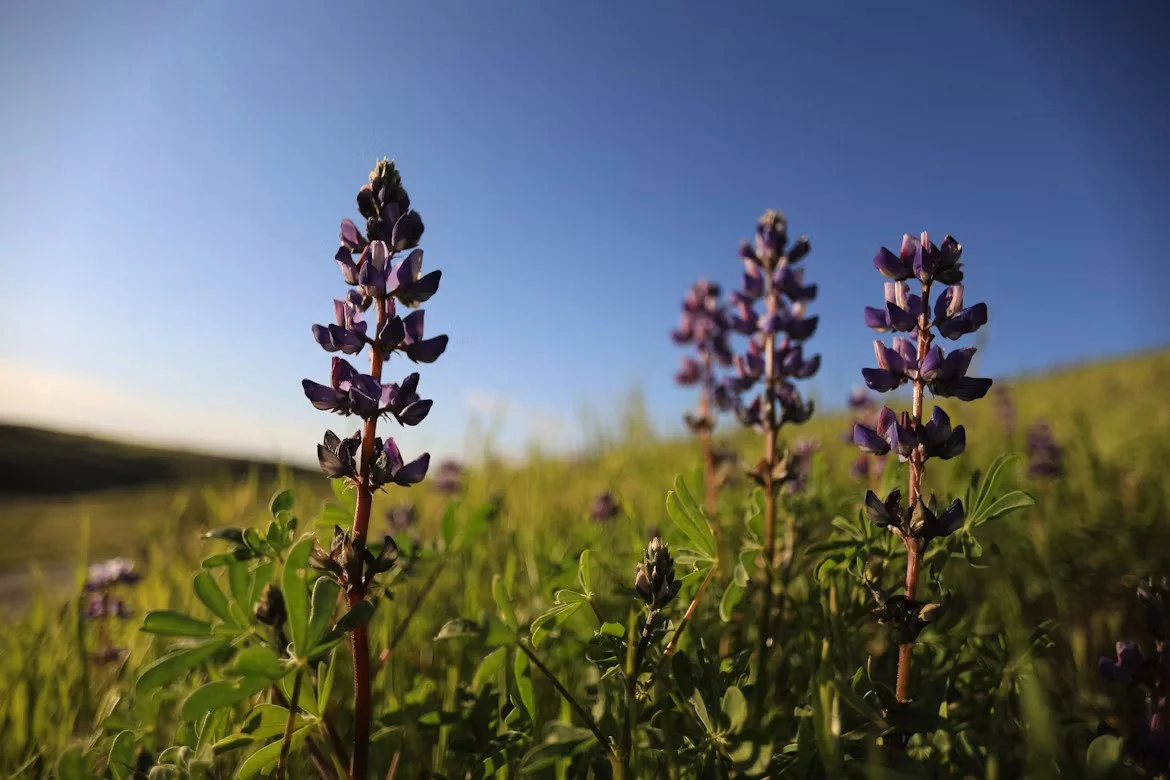
Welcome,
Native Plant Friends
We’re glad you found us!
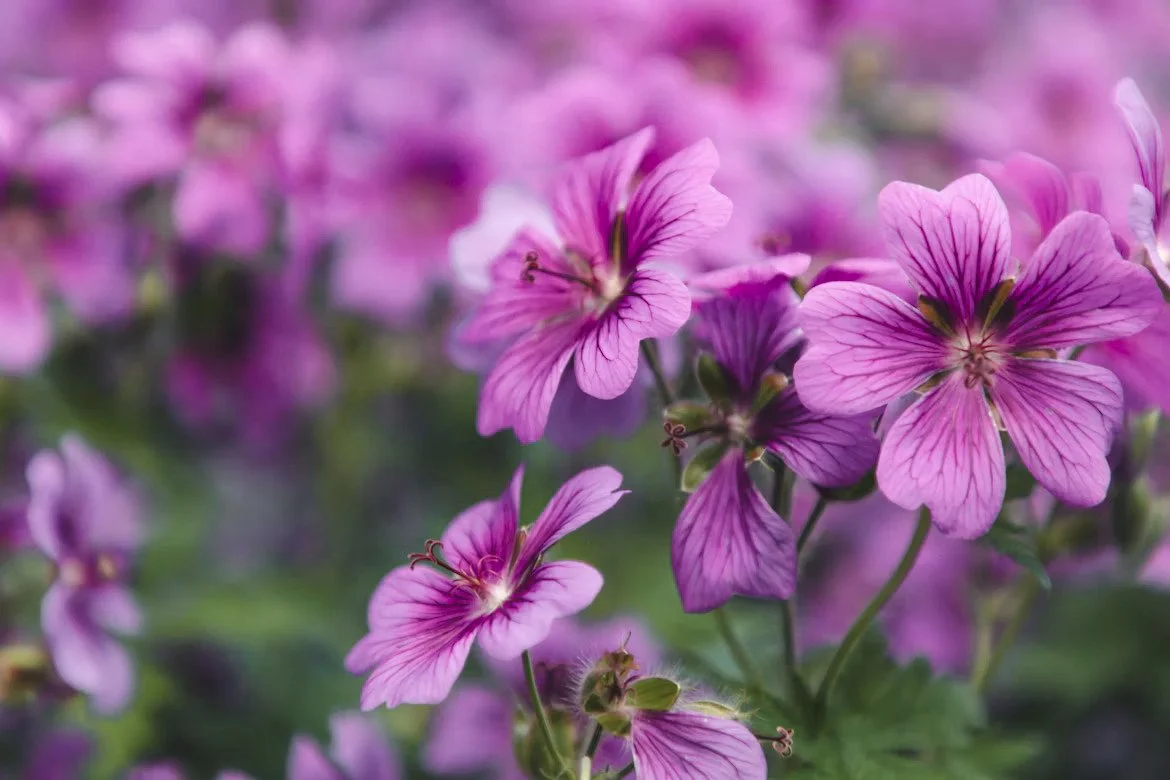
Your next native plant stop
Having farmed West Jordan soil for over a century, we at Schmidt’s Farm and Greenhouse are deeply invested in helping Utah gardeners create water-wise, pollinator-friendly landscapes.
Here are some of the natives and regionally adapted water-wise plants we *stock:
*Plant availability changes often, so please call ahead to check on specific varieties. Selection is best in spring.
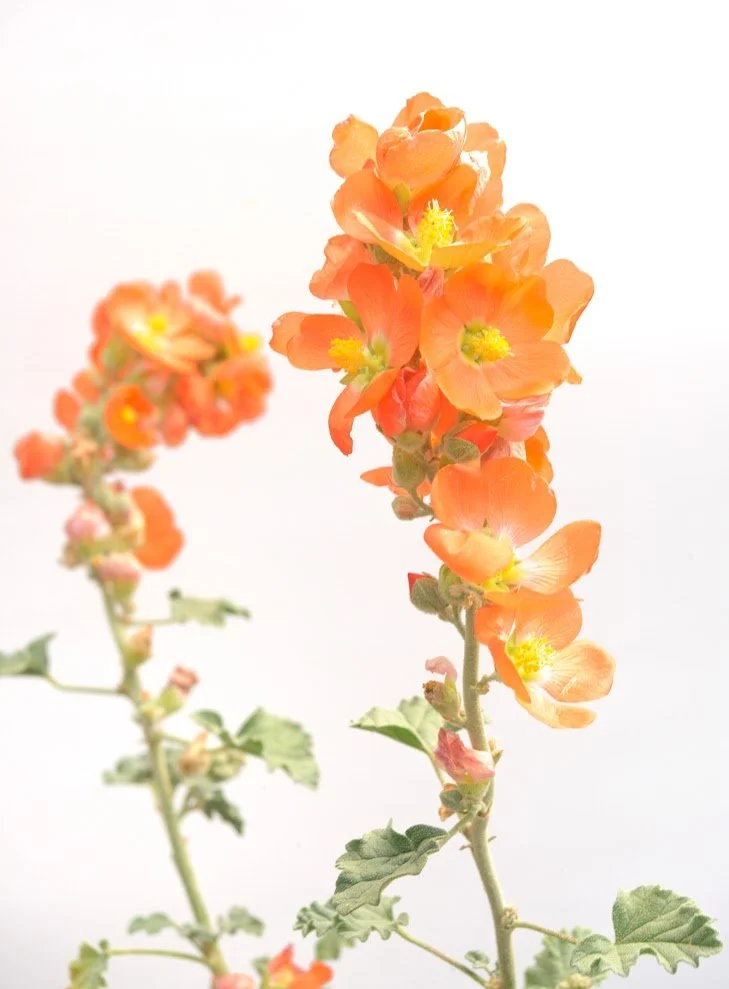
Globemallow (Sphaeralcea grossulariifolia)
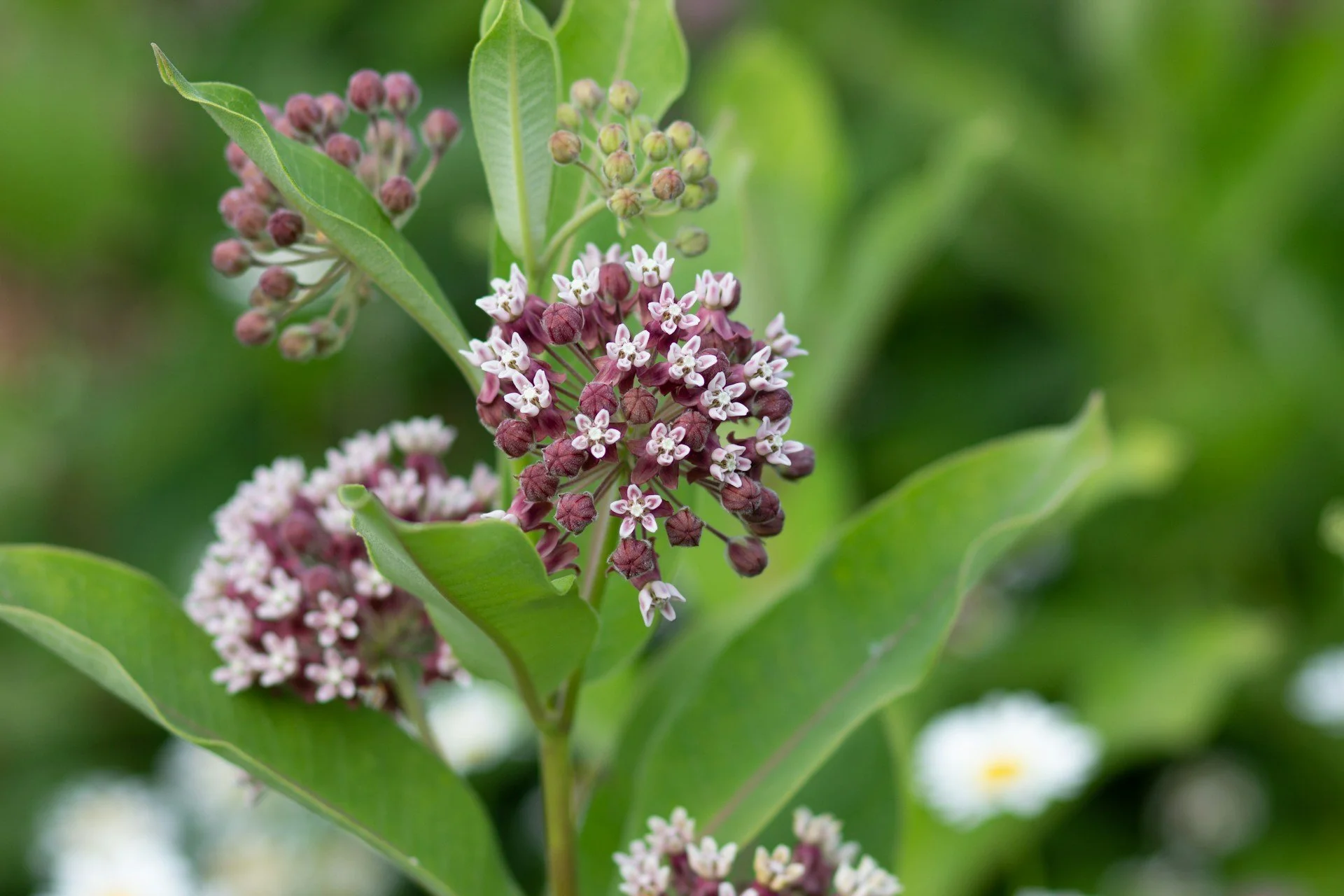
Showy Milkweed (Asclepias speciosa)
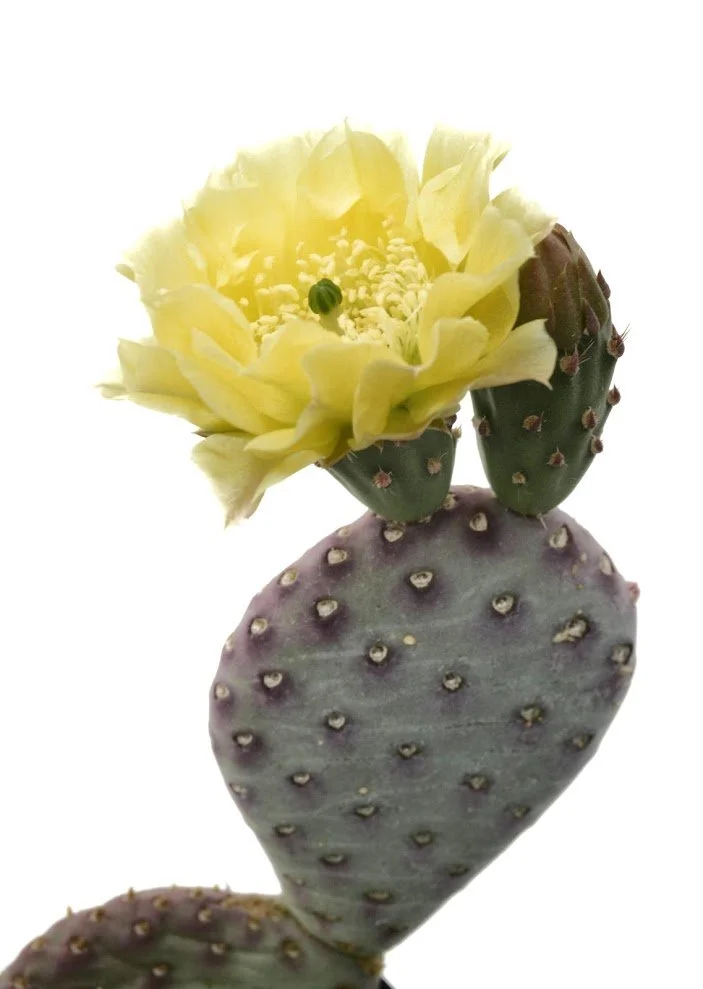
Beaver Tail Cactus (Opuntia basilaris)
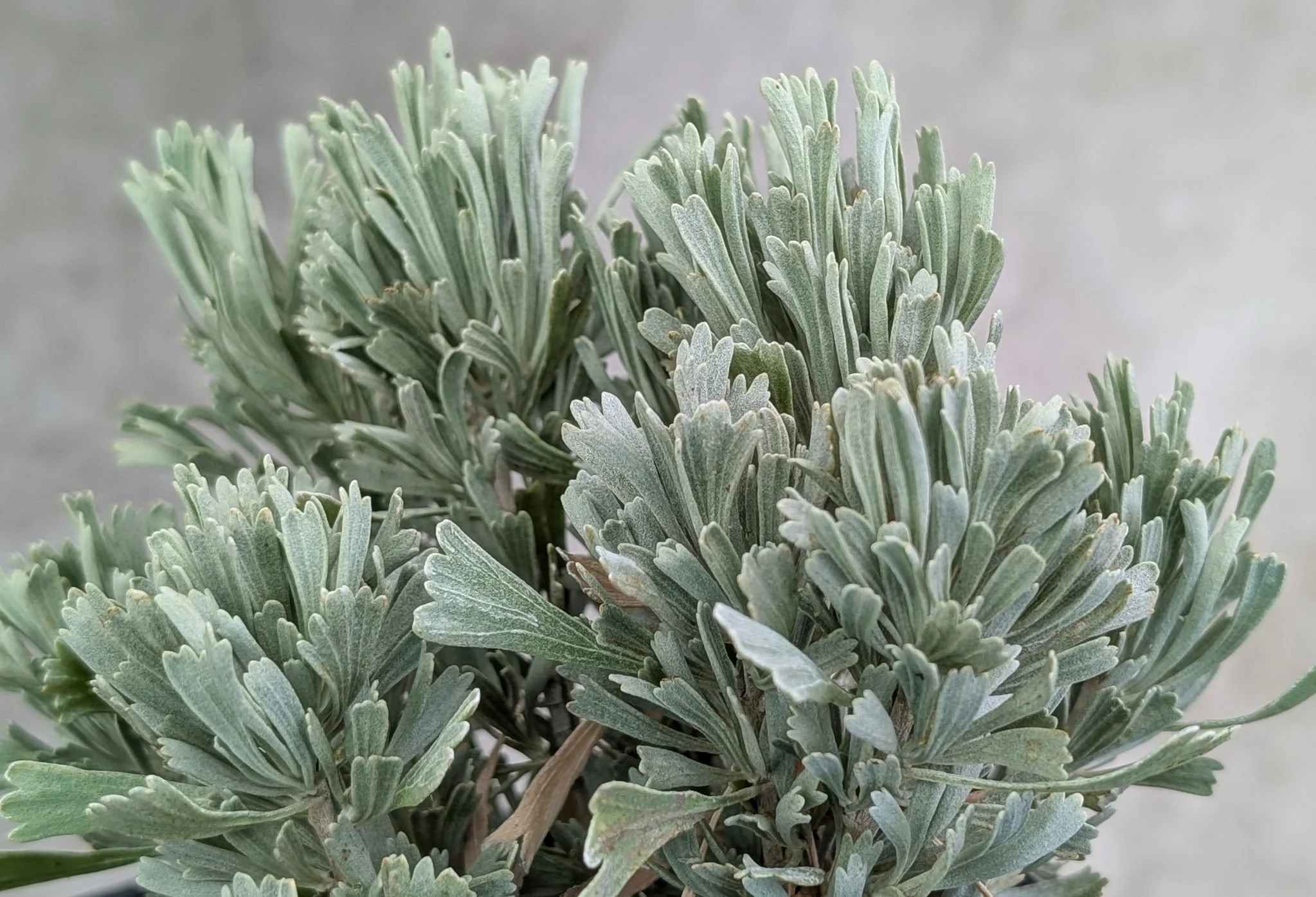
Sagebrush (Artemisia tridentata)
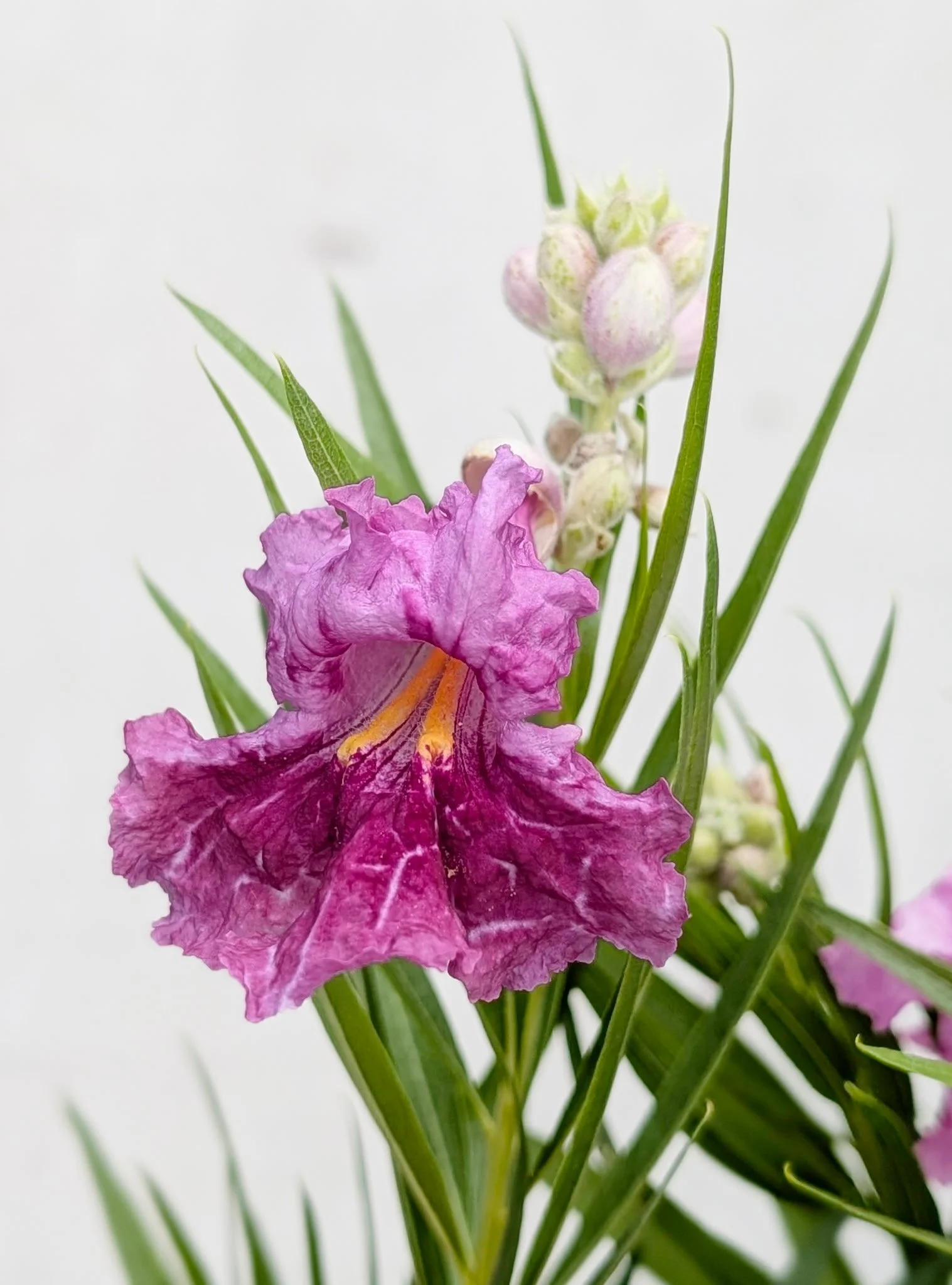
Desert Willow (Chilopsis linearis)
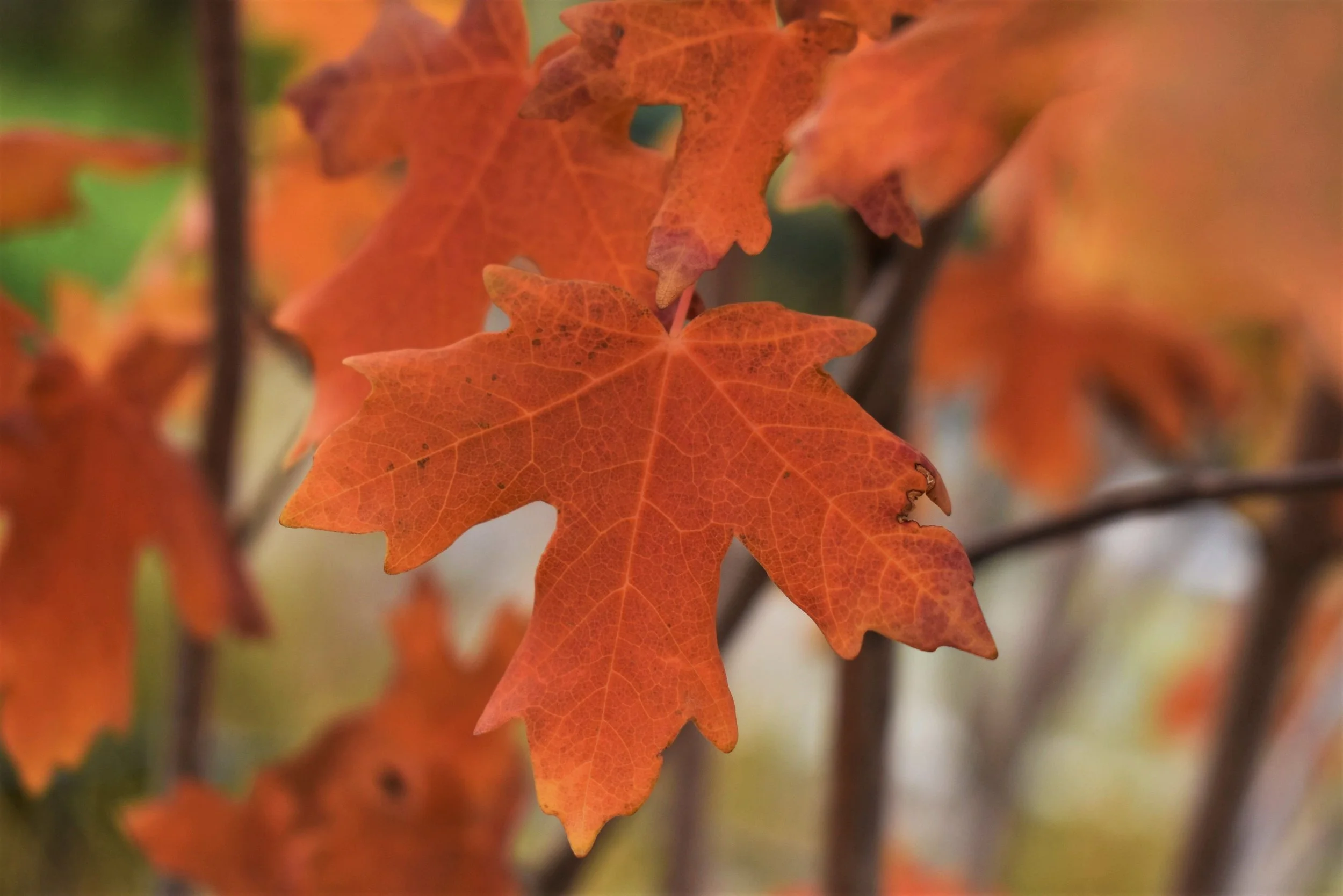
Bigtooth Maple (Acer grandidentatum)
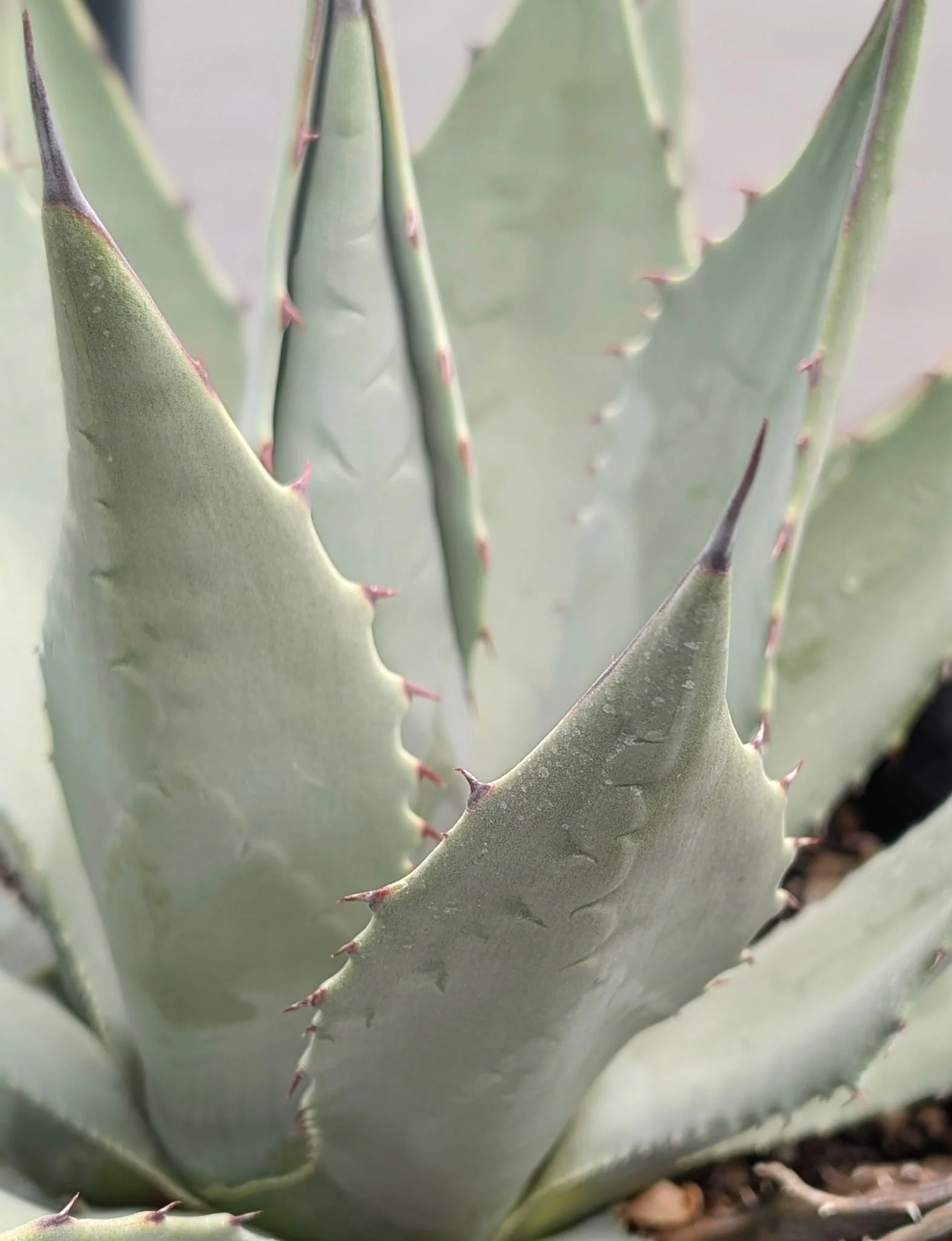
Parry's Agave (Agave parryi)
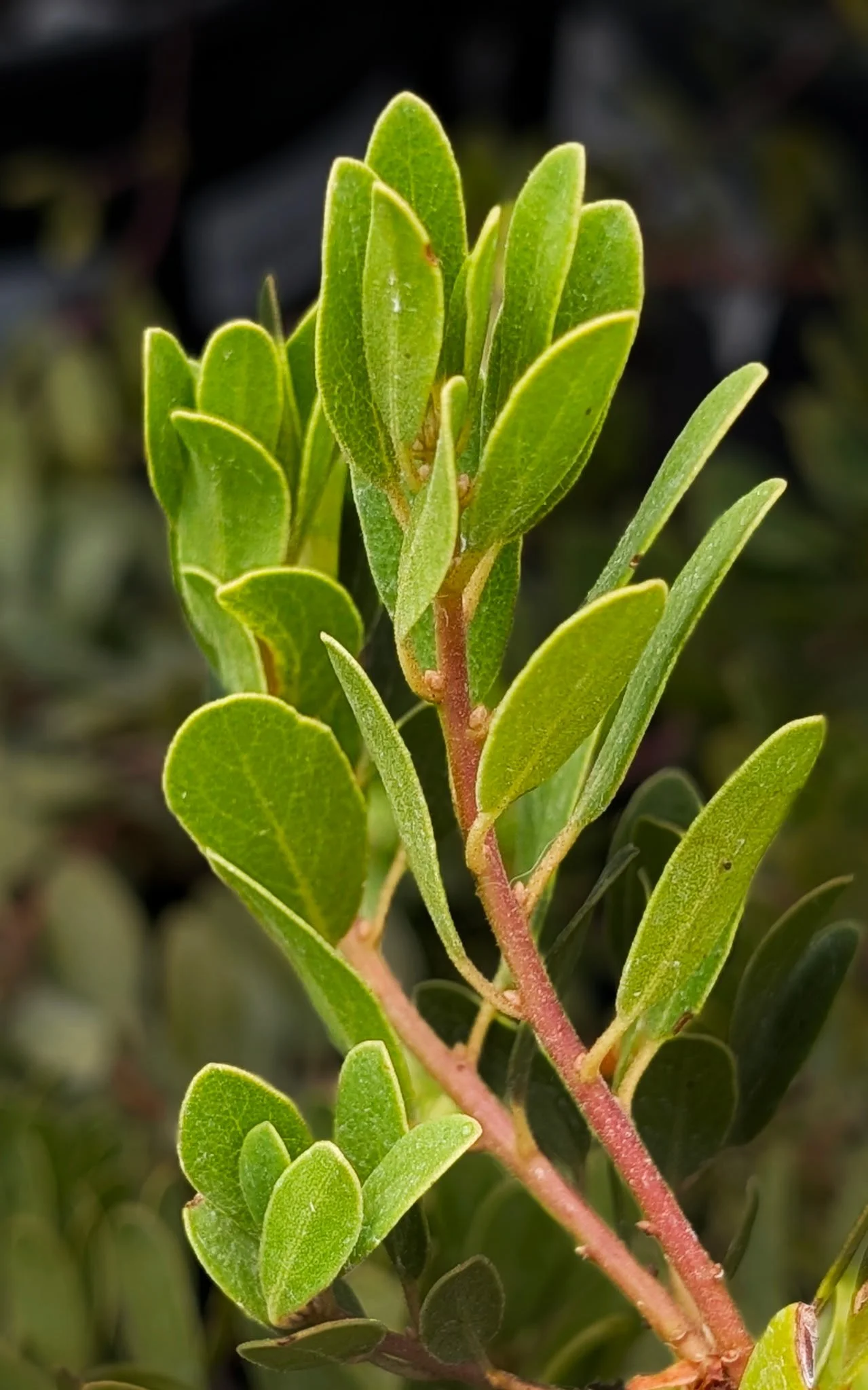
Colorado Manzanita (Arctostaphylos coloradoensis)
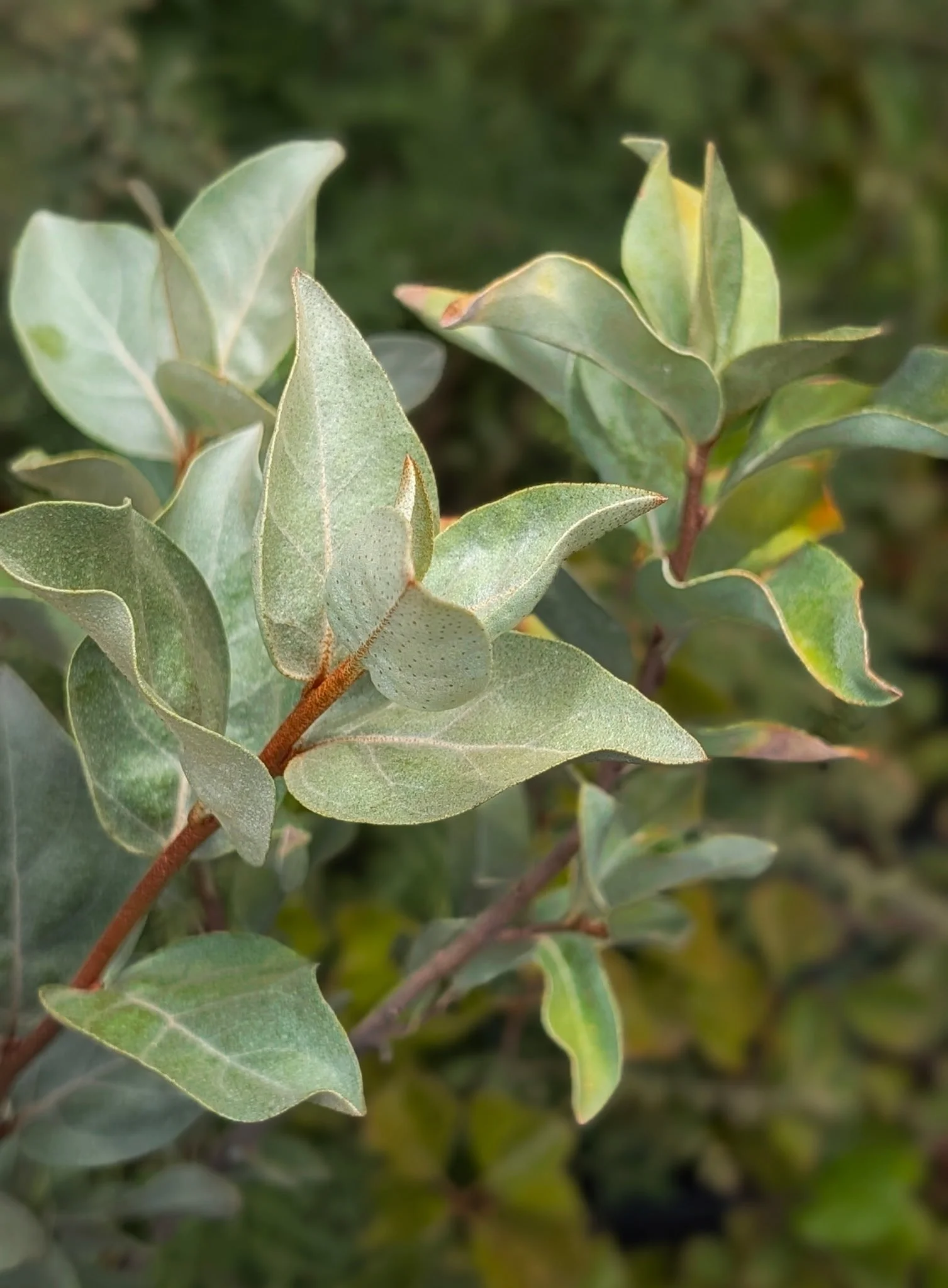
Silver Buffaloberry (Shepherdia argentea)
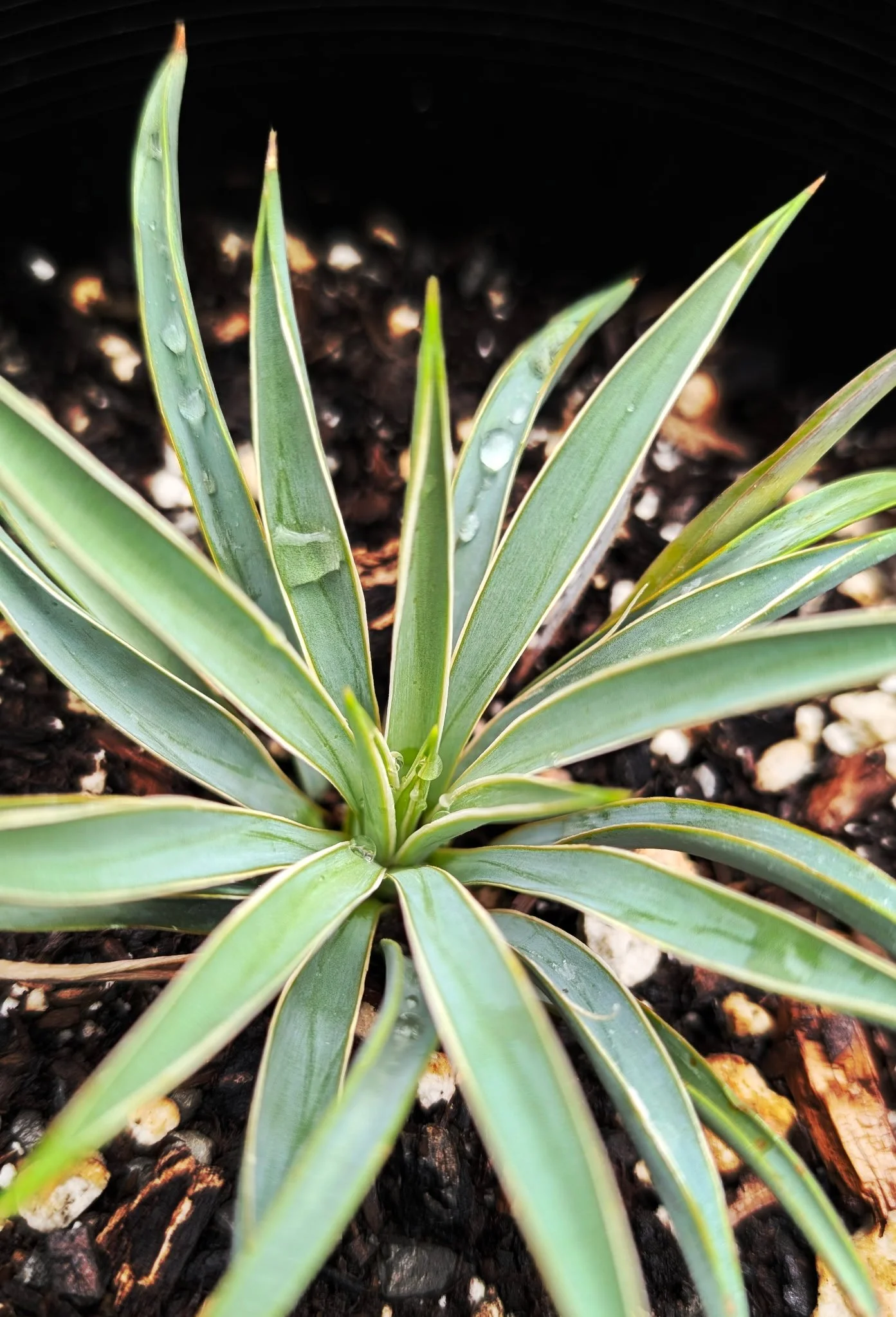
Harriman's Yucca (Yucca harrimaniae)
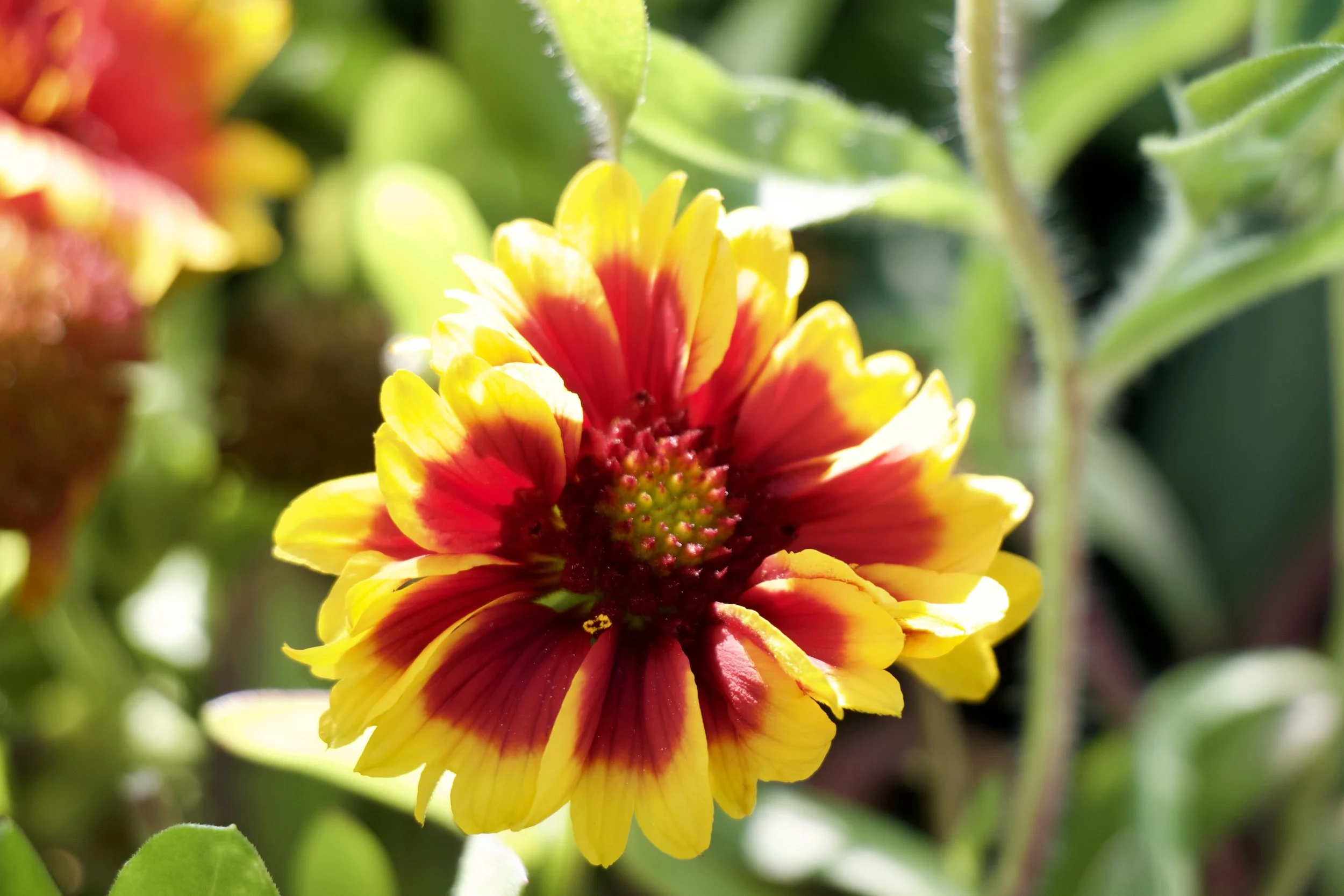
Blanketflower (Gaillardia aristata)
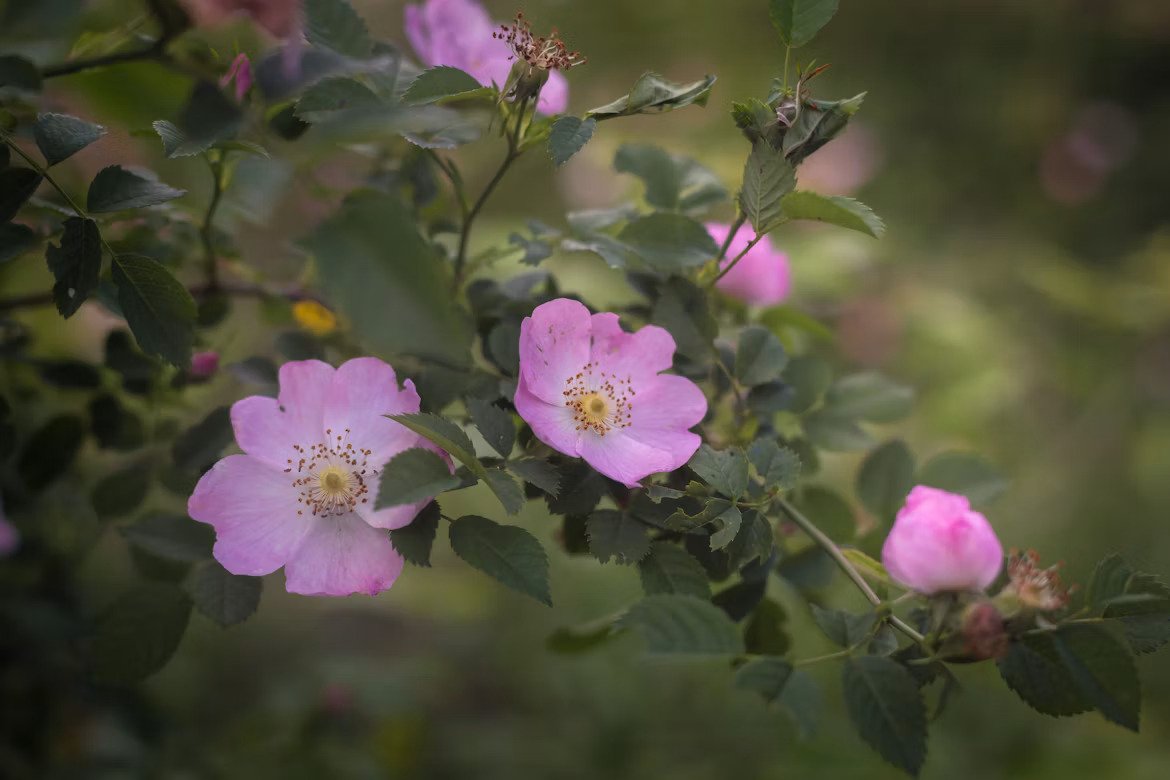
Woods' Rose (Rosa woodsii)
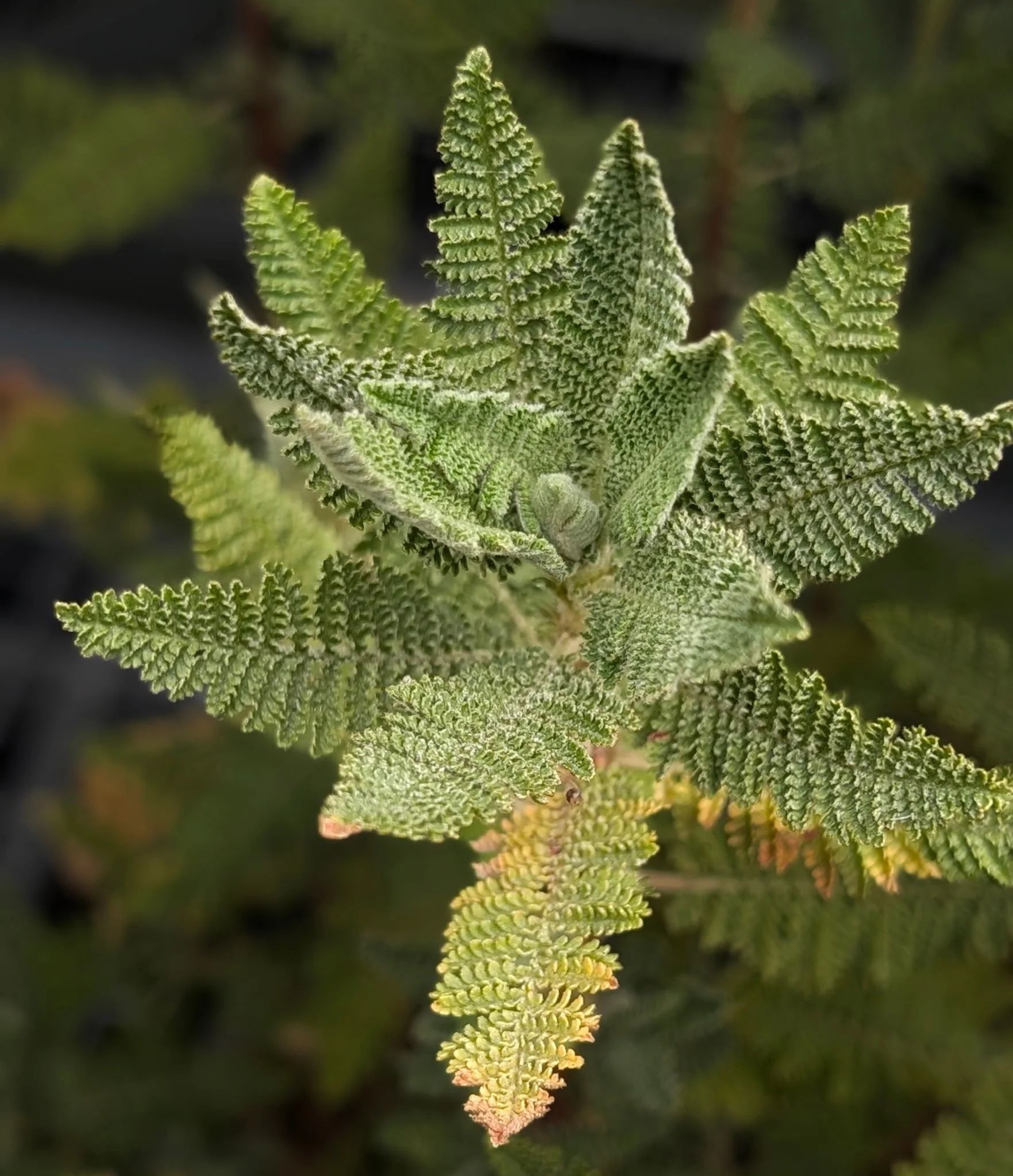
Fern Bush (Chamaebatiaria millefolium)
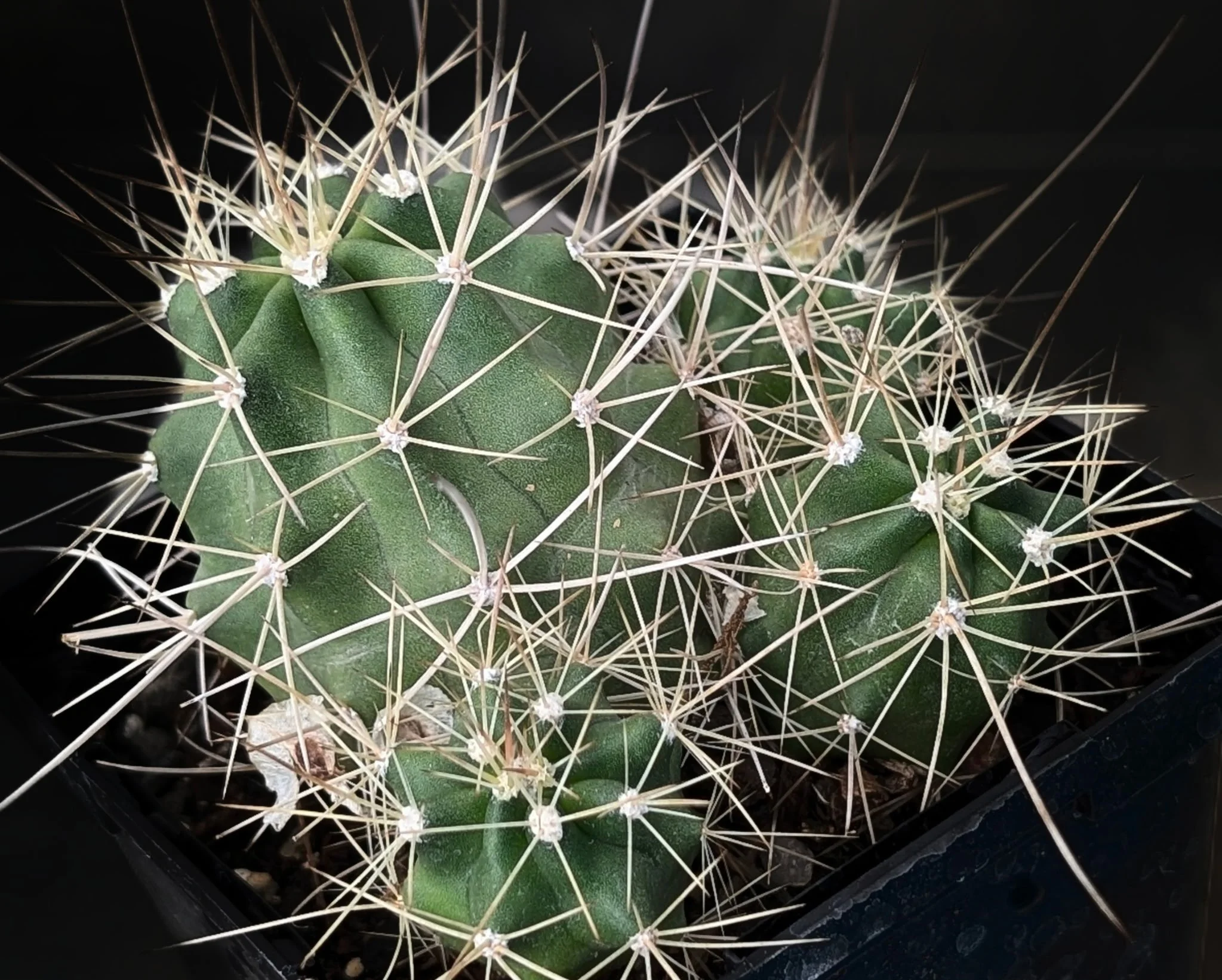
Hedgehog Cactus (Echinocereus triglochidiatus)
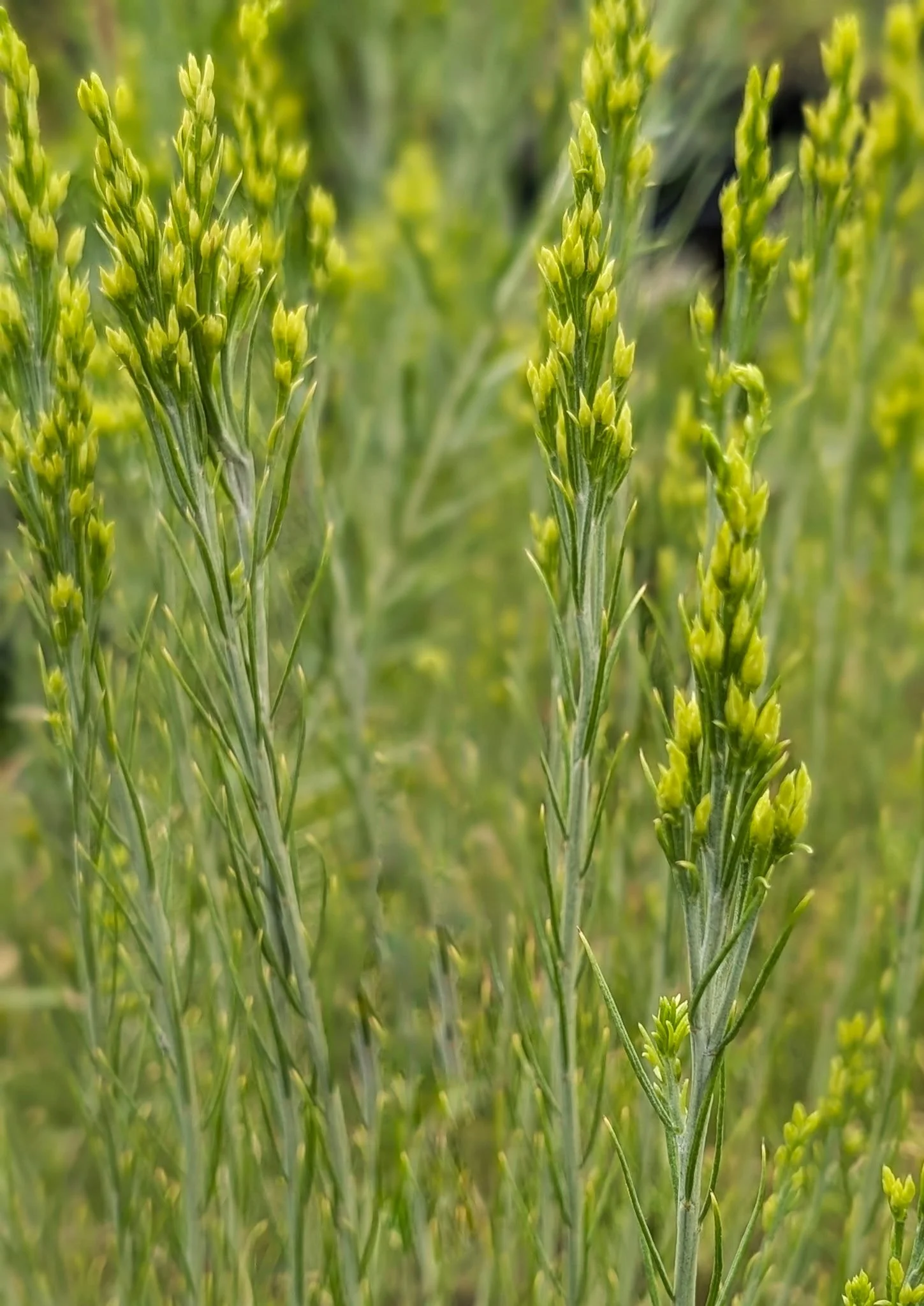
Rubber Rabbitbrush (Ericameria nauseosa)
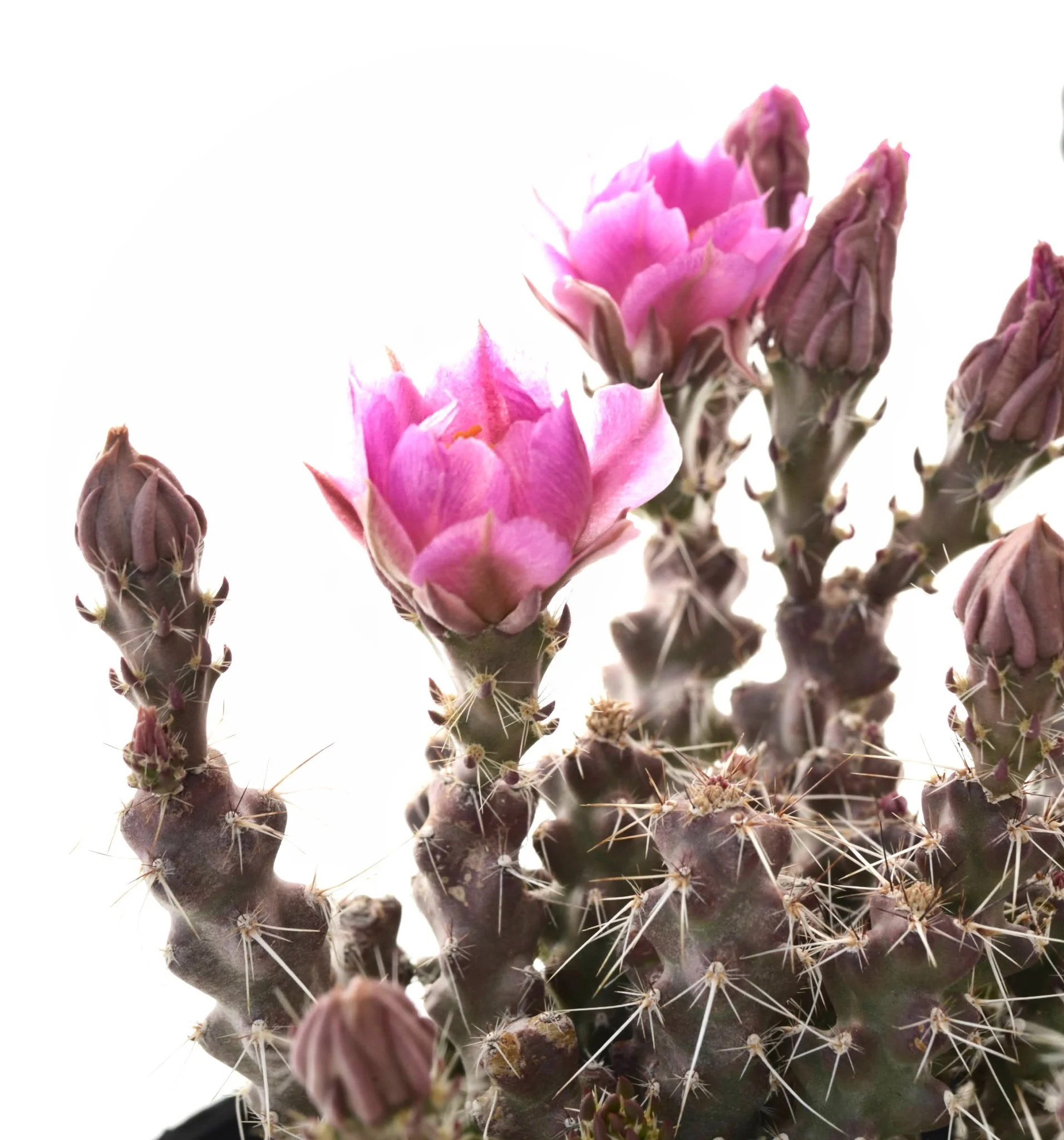
Sagebrush Cholla (Grusonia pulchella)
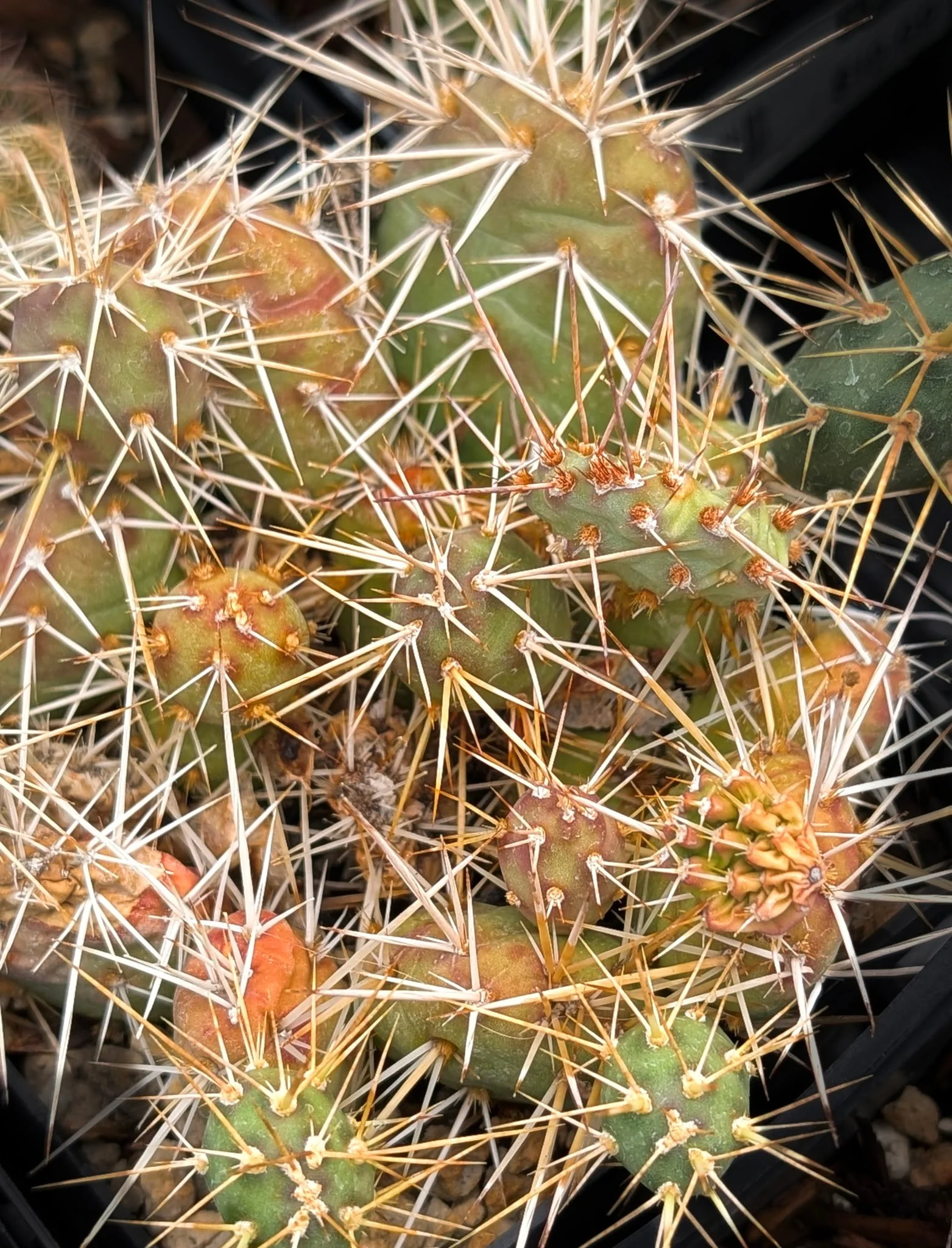
Brittle Prickly Pear (Opuntia fragilis)
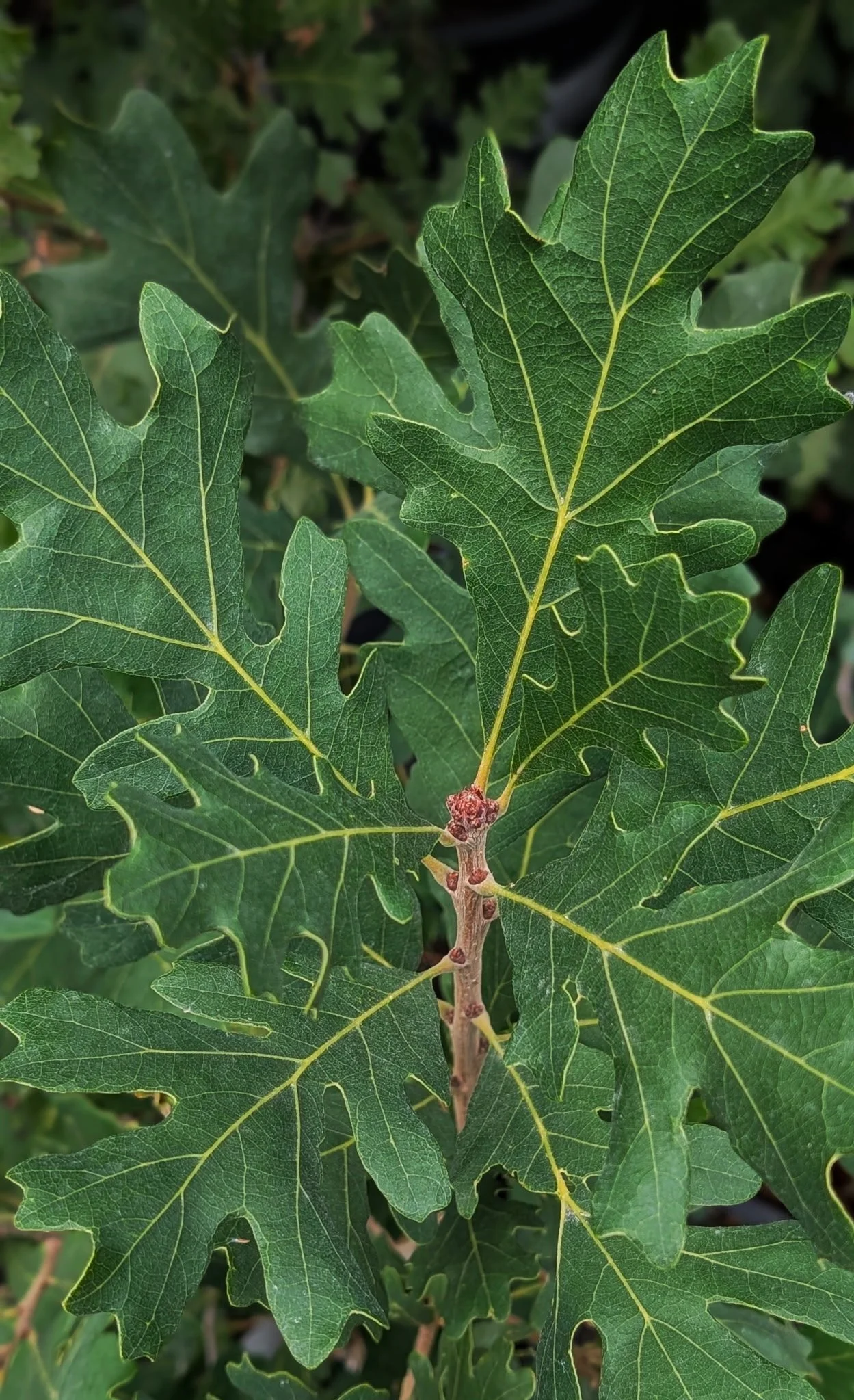
Gambel Oak (Quercus gambelii)
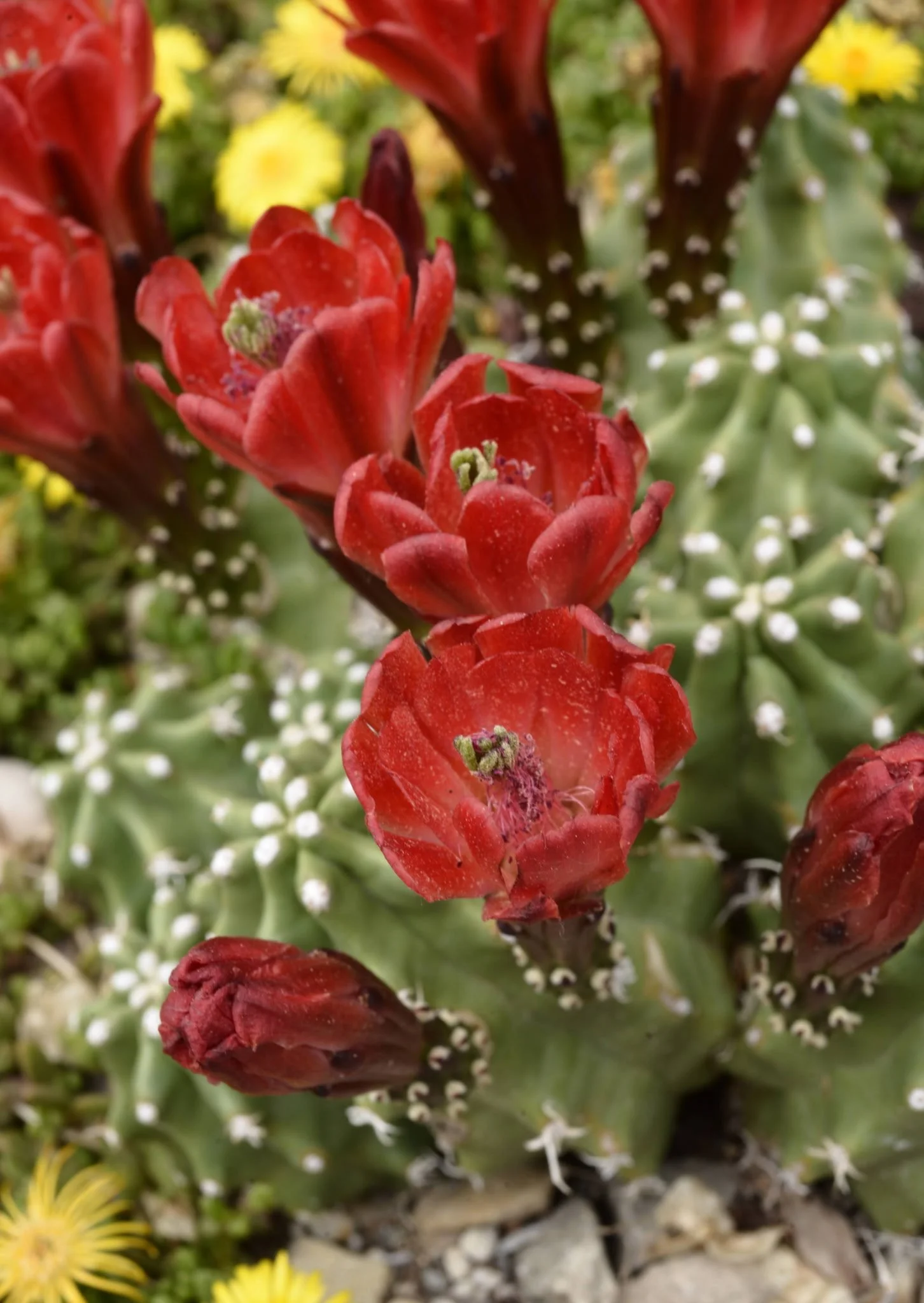
Spineless Hedgehog Cactus (Echinocereus triglochidiatus f. inermis)
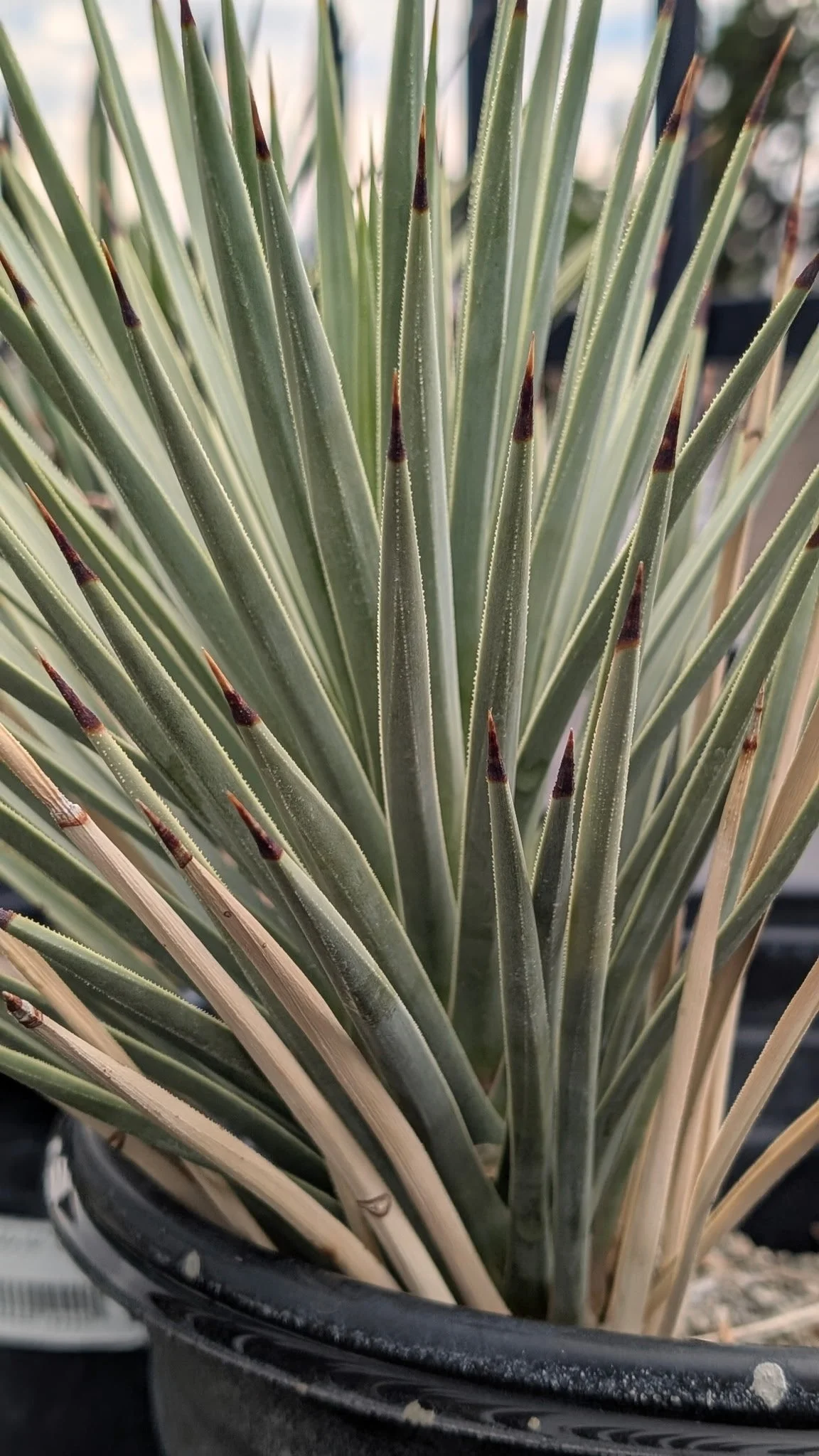
Eastern Joshua Tree (Yucca brevifolia ssp. jaegeriana)
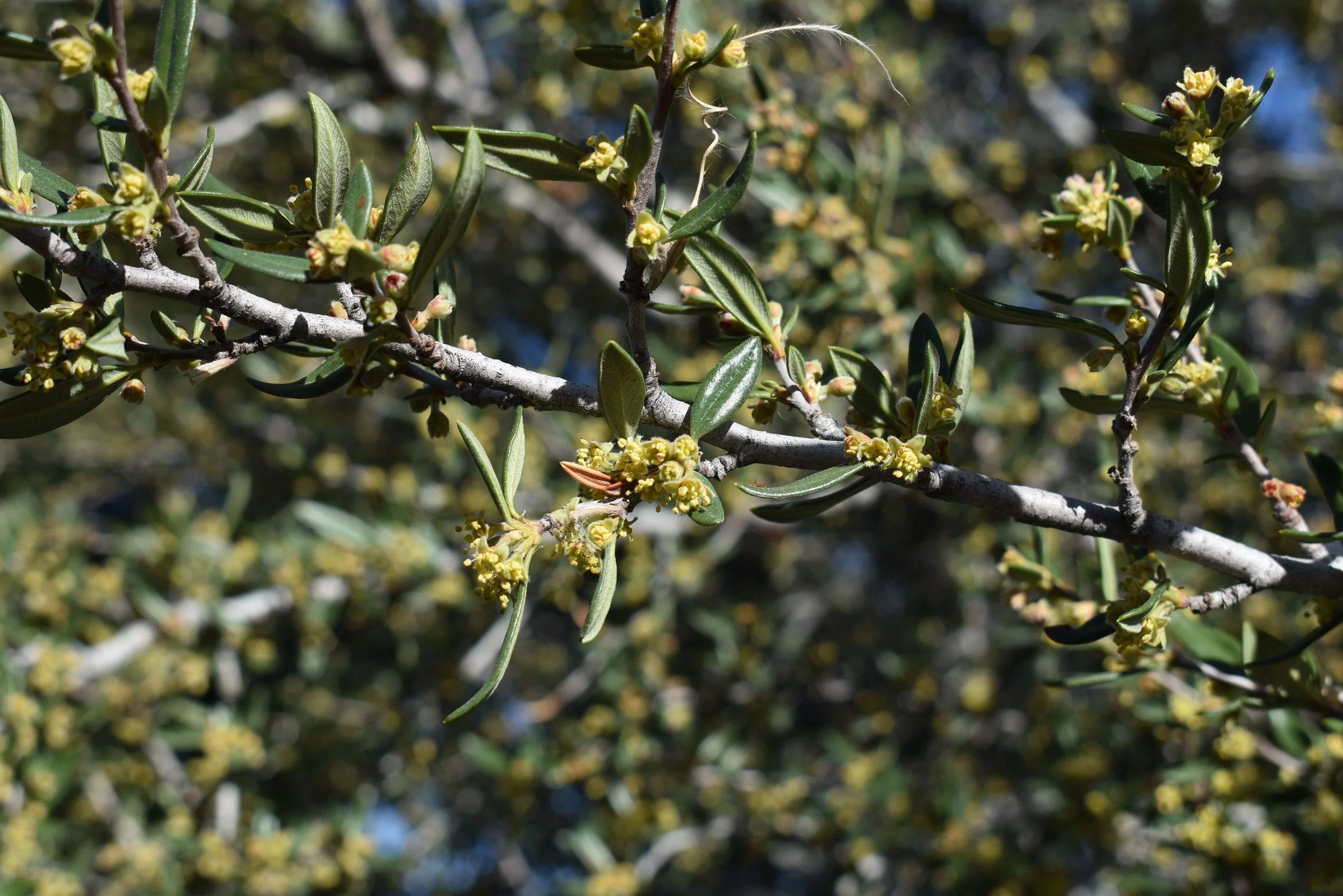
Mountain Mahogany (Cercocarpus ledifolius)
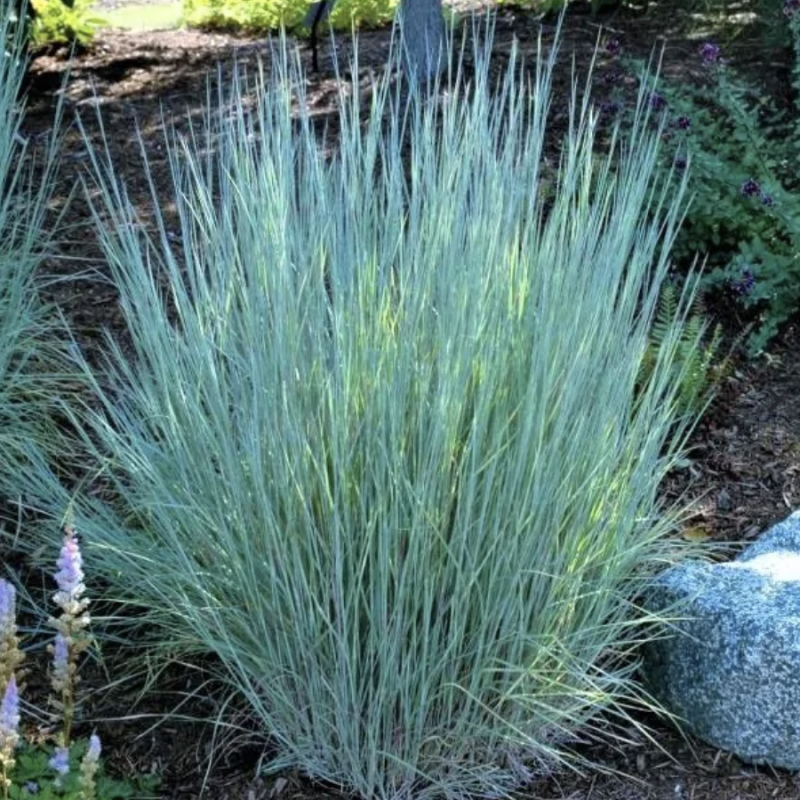
Little Bluestem (Schizachyrium scoparium)
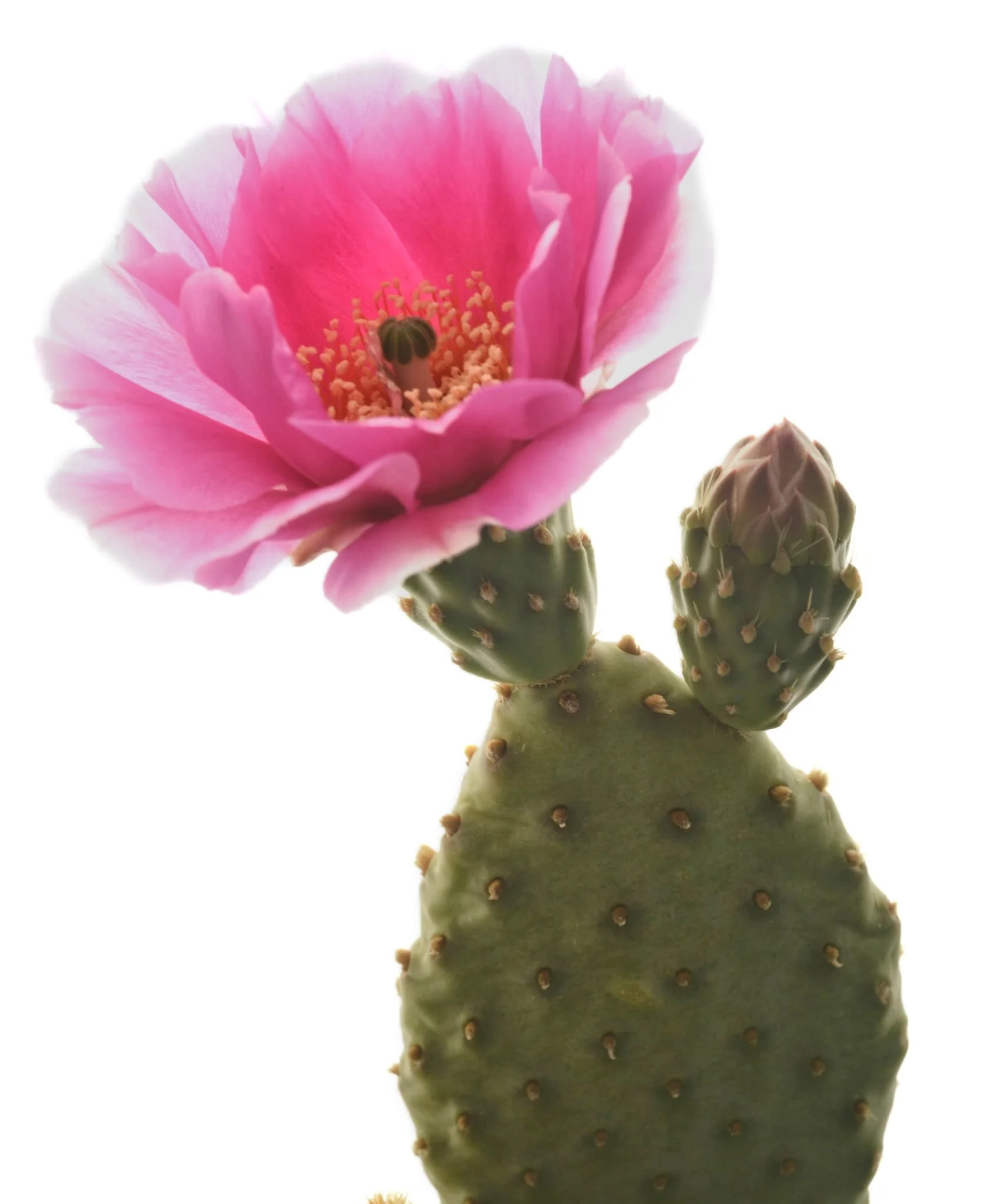
Beaver Tail Cactus (Opuntia basilaris)
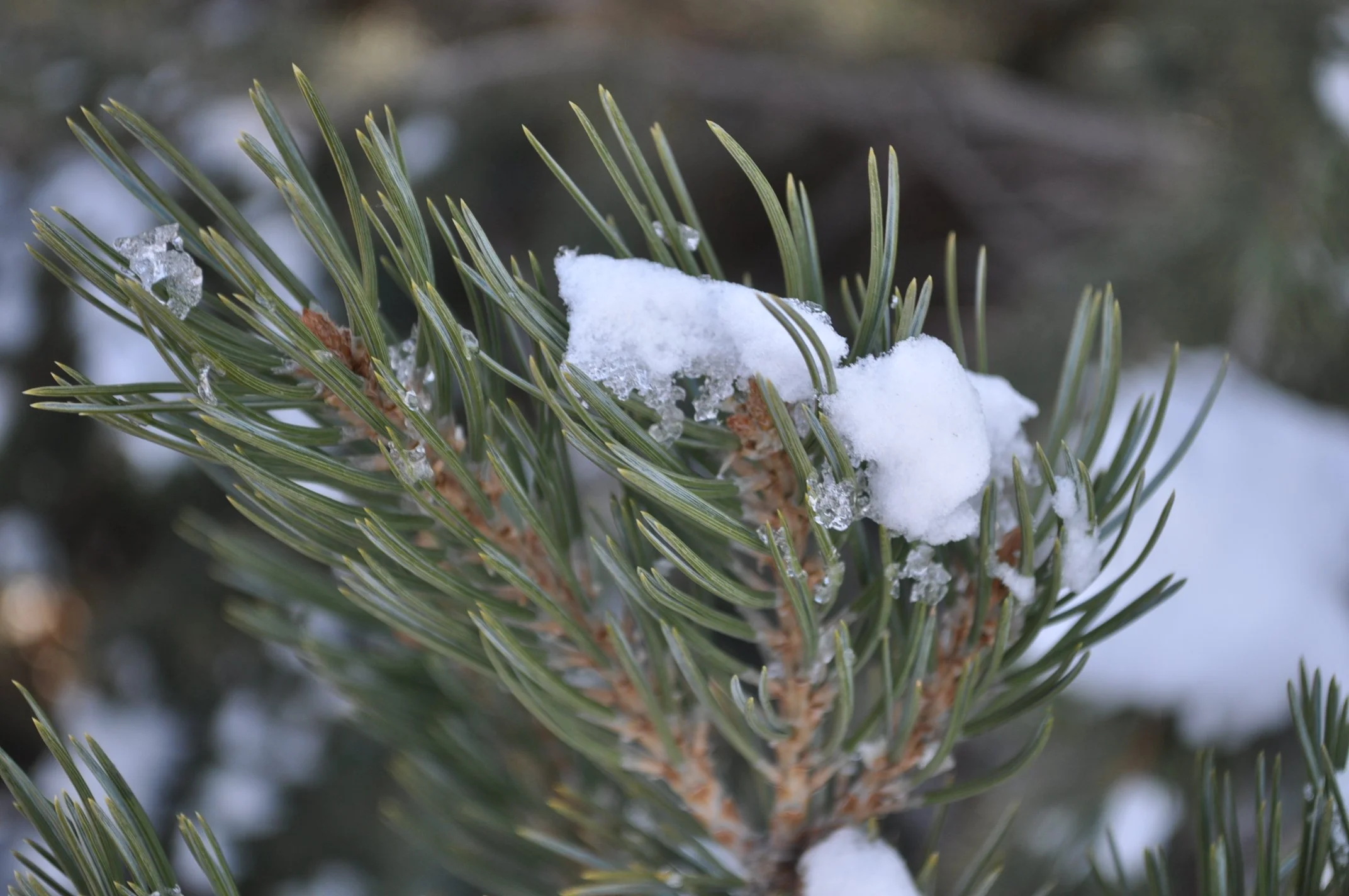
Pinyon Pine (Pinus edulis)
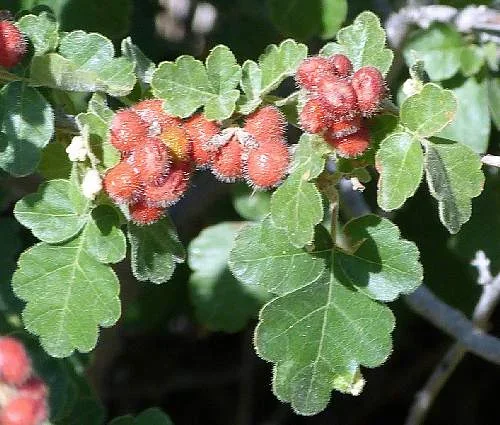
Three-leaf Sumac (Rhus trilobata)
at work
Native Plants
Native plant usage inspiration
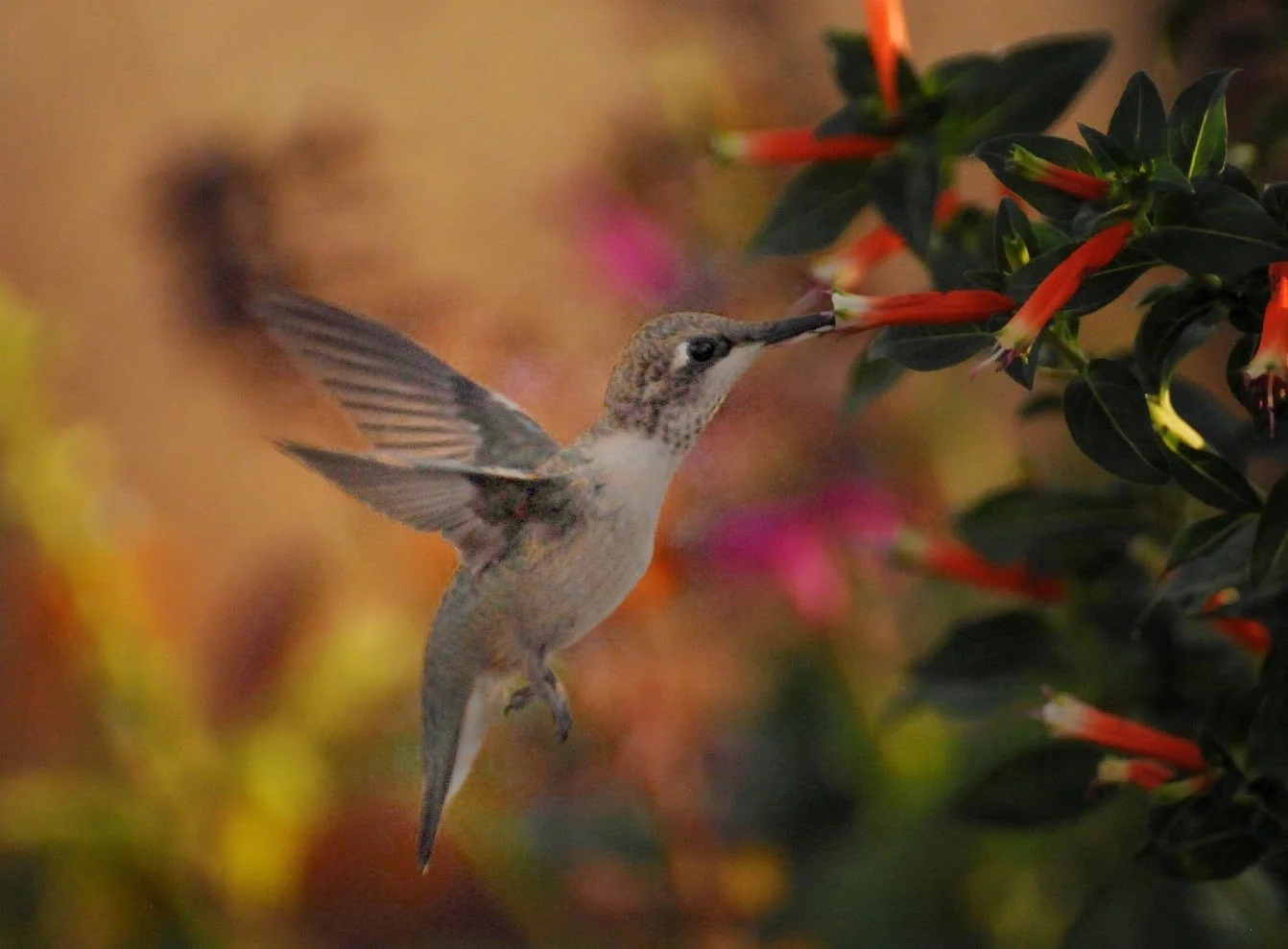
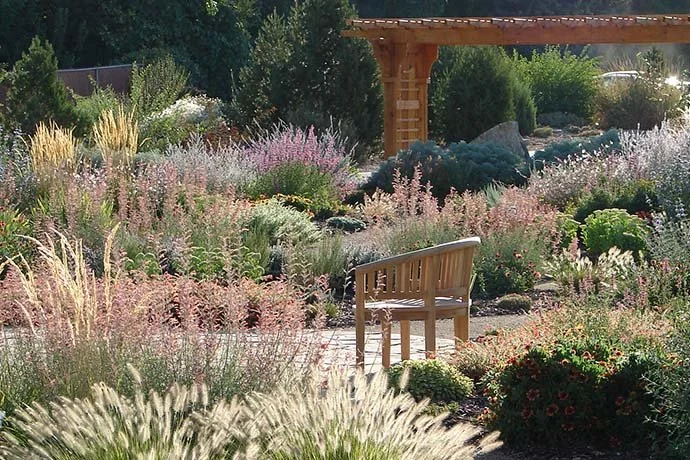
Pollinator gardens
Utah's bees, butterflies, and hummingbirds evolved alongside these plants — so nothing feeds them better. Fill a bed with milkweed, penstemon, and blanketflower and watch it come alive all season long.
Photo: Schmidt’s Farm and Greenhouse, Nate Abbott
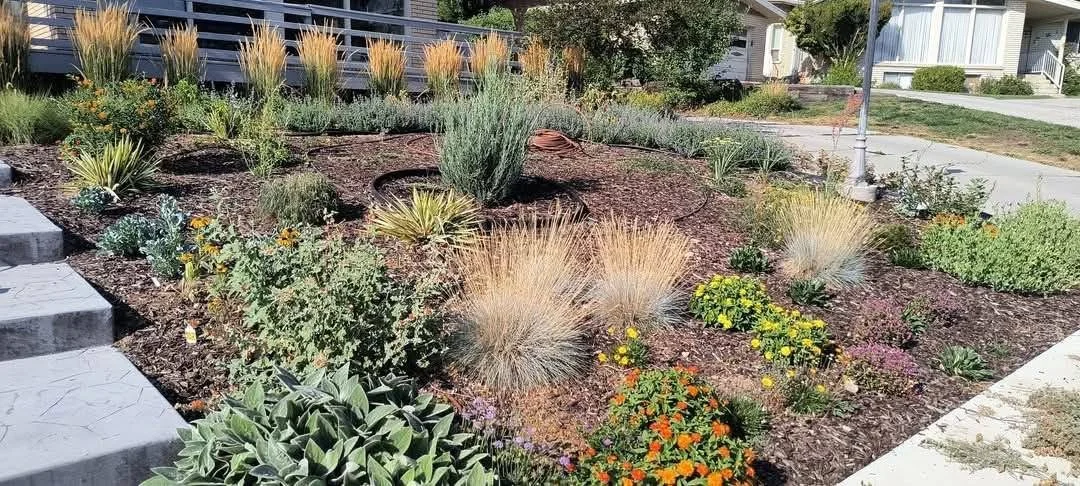
Water-wise landscaping
Adapted to our dry summers and clay soils, native plants thrive on a fraction of the water a traditional yard demands. Beautiful, resilient, and built for Utah's climate — no constant watering required.
Photo: Utah State University Extension, Center for Water-Efficient Landscaping
Lawn conversion
Trading in thirsty turf? Natives are the perfect replacement — and often qualify for local water-district rebates. Swap your park strip or front lawn for color, texture, and a landscape that practically cares for itself.
Photo: Vike Darliyasi 2026
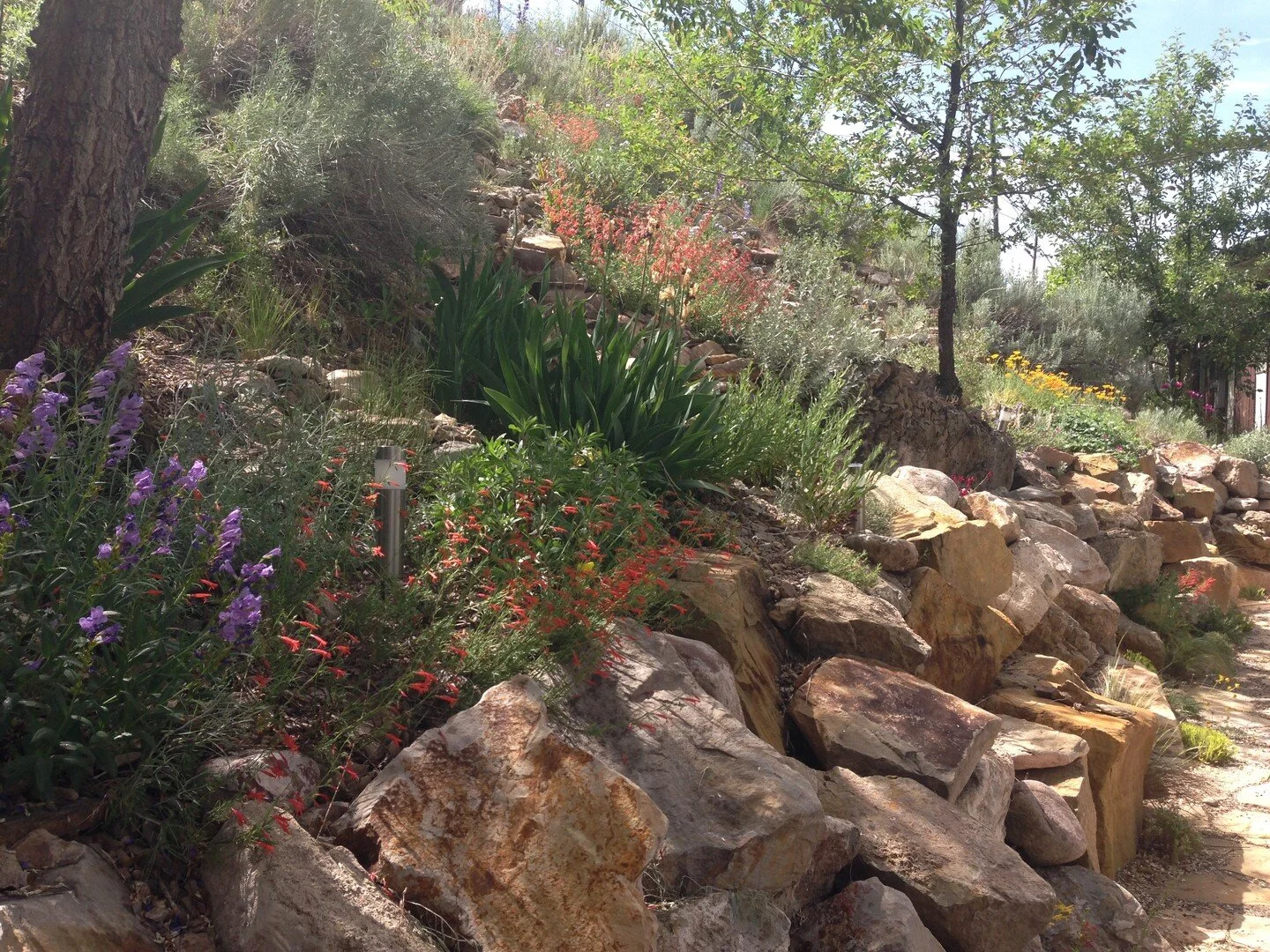
Erosion control
Deep-rooted natives grip the soil where grass gives up. Plant them on slopes, hillsides, and problem banks to hold ground in place, slow runoff, and green up the spots where nothing else will grow.
Photo: Salt Lake Tribune, Erin Alberty
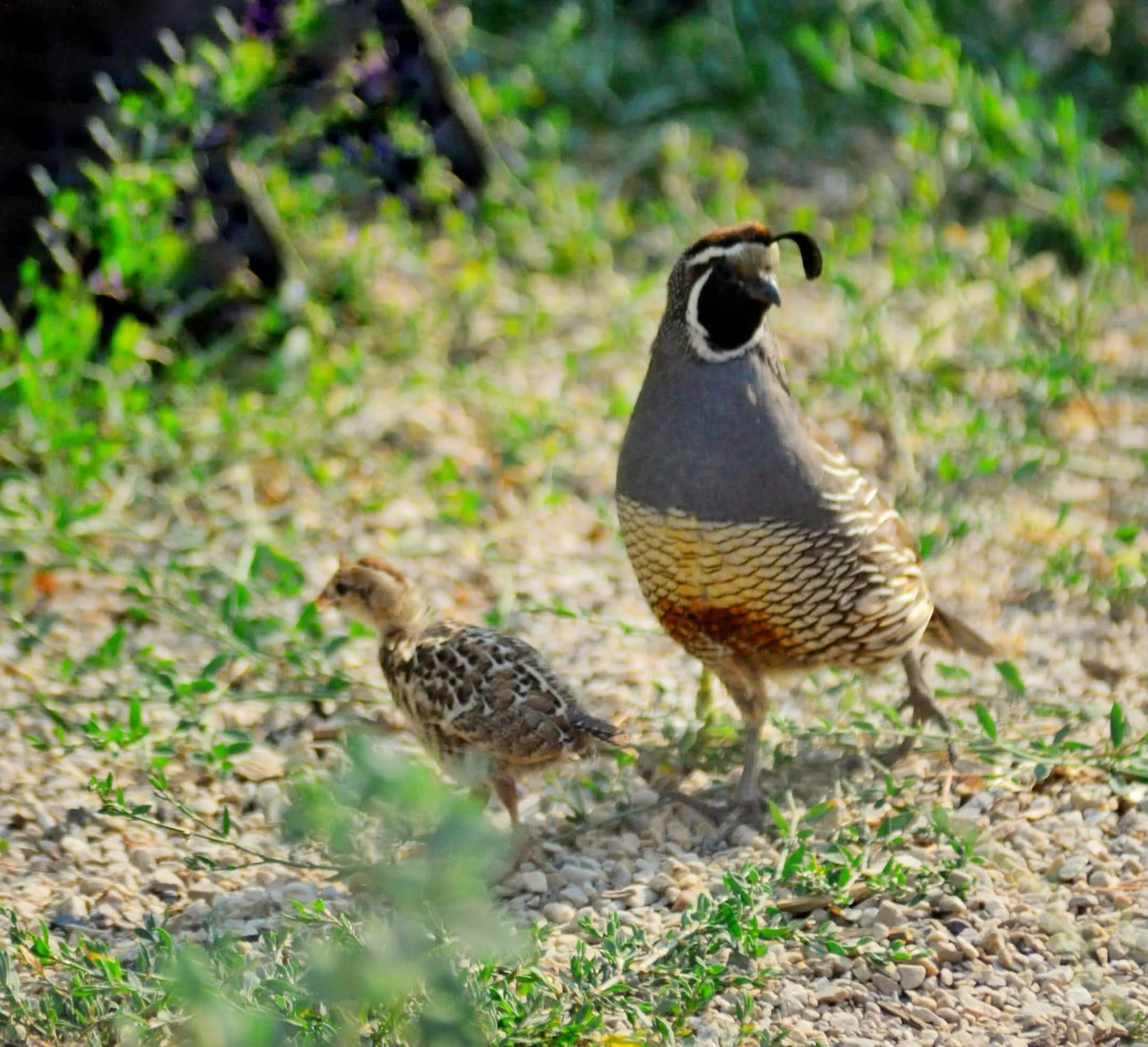
Wildlife and bird habitat
A native landscape is a living one. Berries, seeds, and dense cover from serviceberry, currant, and rabbitbrush give birds and small wildlife the food and shelter they need year-round.
Photo: Schmidt’s Farm and Greenhouse, Nate Abbott
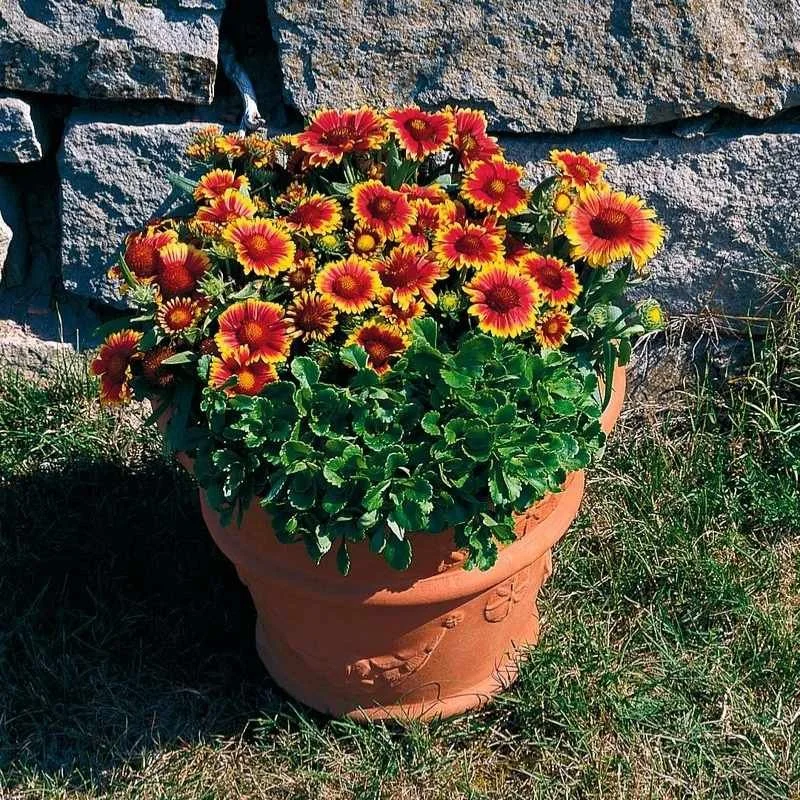
Pots
Natives aren't just for garden beds. Tuck penstemon, globemallow, or a compact buckwheat into a container for a low-water pot that celebrates Utah's wild beauty right on your porch or patio.
Photo: Harris Seeds, Gaillardia Arizona Sun Seed
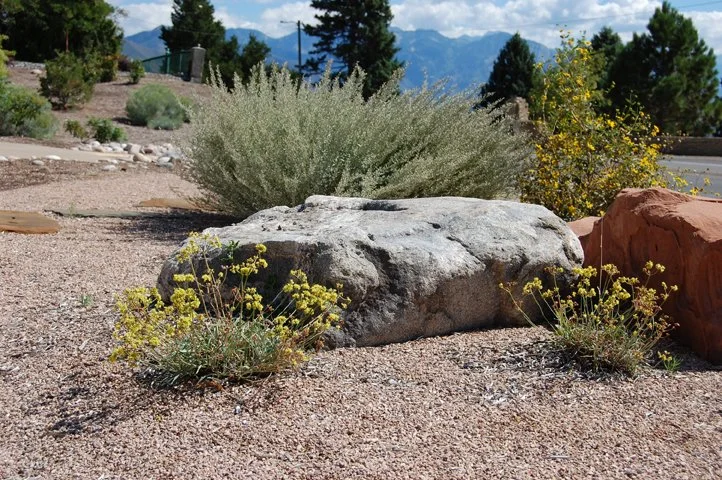
Rock gardens
Made for lean soil and full sun, many Utah natives feel right at home among stone. Globemallow, buckwheat, and low penstemons bring bursts of color to rock gardens and dry, sunny corners.
Photo: Salt Lake City, Water Conservation Demonstration Gardens