
Fertilizer
Availability varies throughout the season, and not all items featured here may be in stock.
If you’re looking for a specific fertilizer, call us at 801-566-5735. We’re happy to check our inventory for you!
Tap the images below to jump to that section; otherwise, feel free to browse!
Check out our blog post on decoding what fertilizer your vegetable plants need!
Lawn Fertilizers
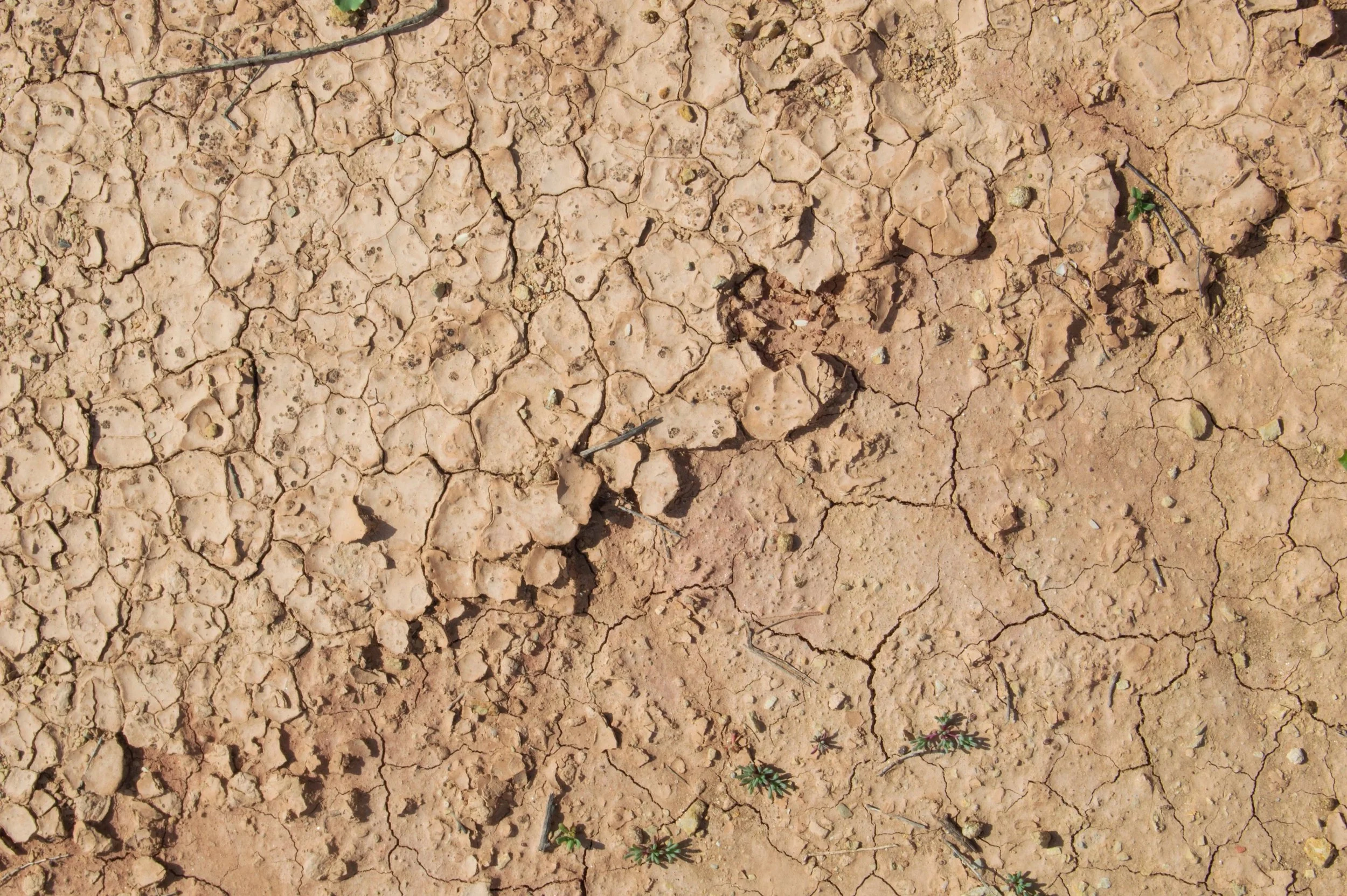
Fertilizers for Utah Soil
Vegetable Garden Fertilizers
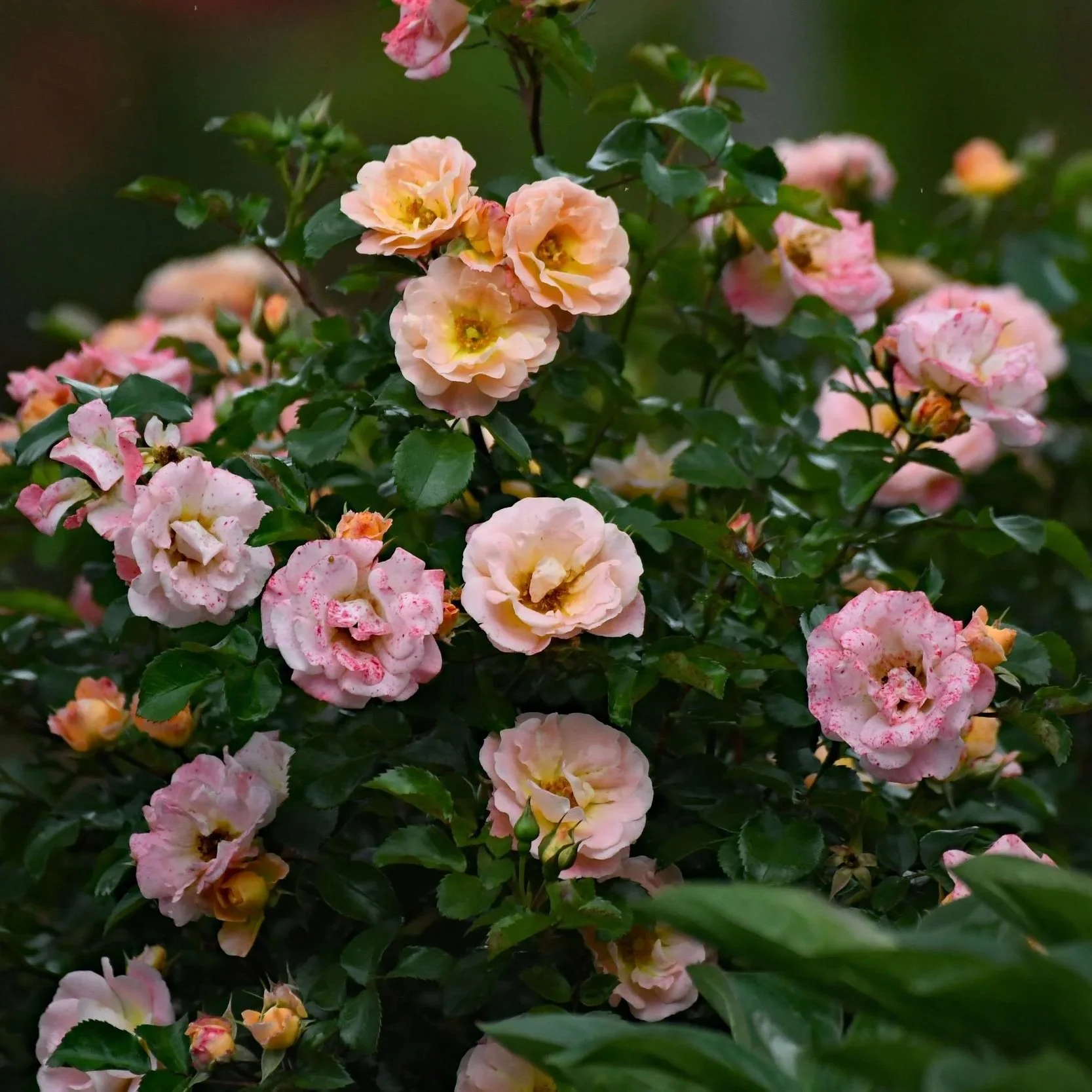
Flowers, Roses & Bulb Fertilizers
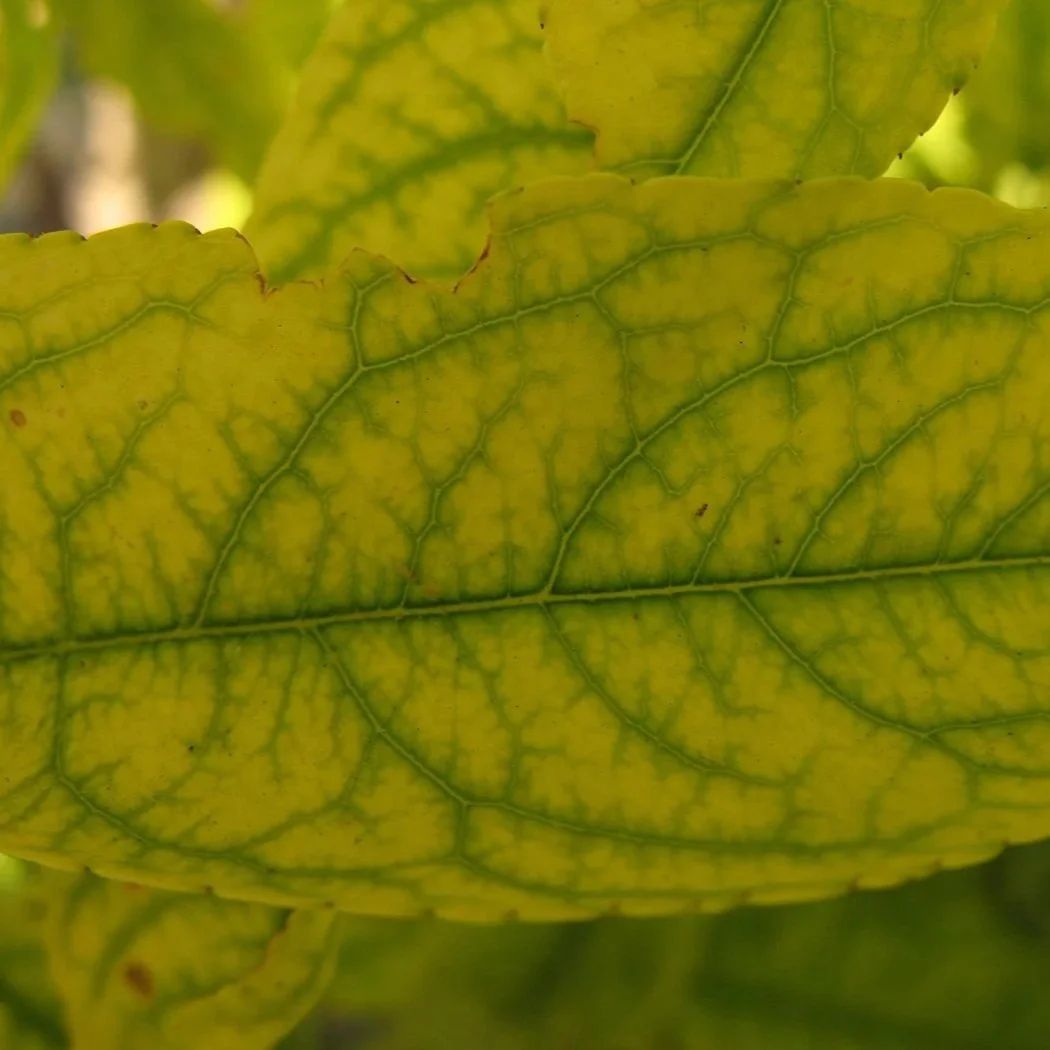
Tree & Shrub Fertilizers
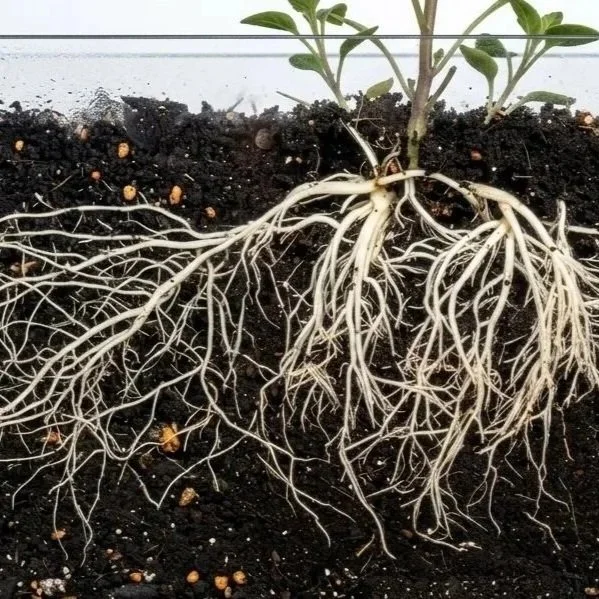
Root Starters
Soil Builders & Single Nutrients
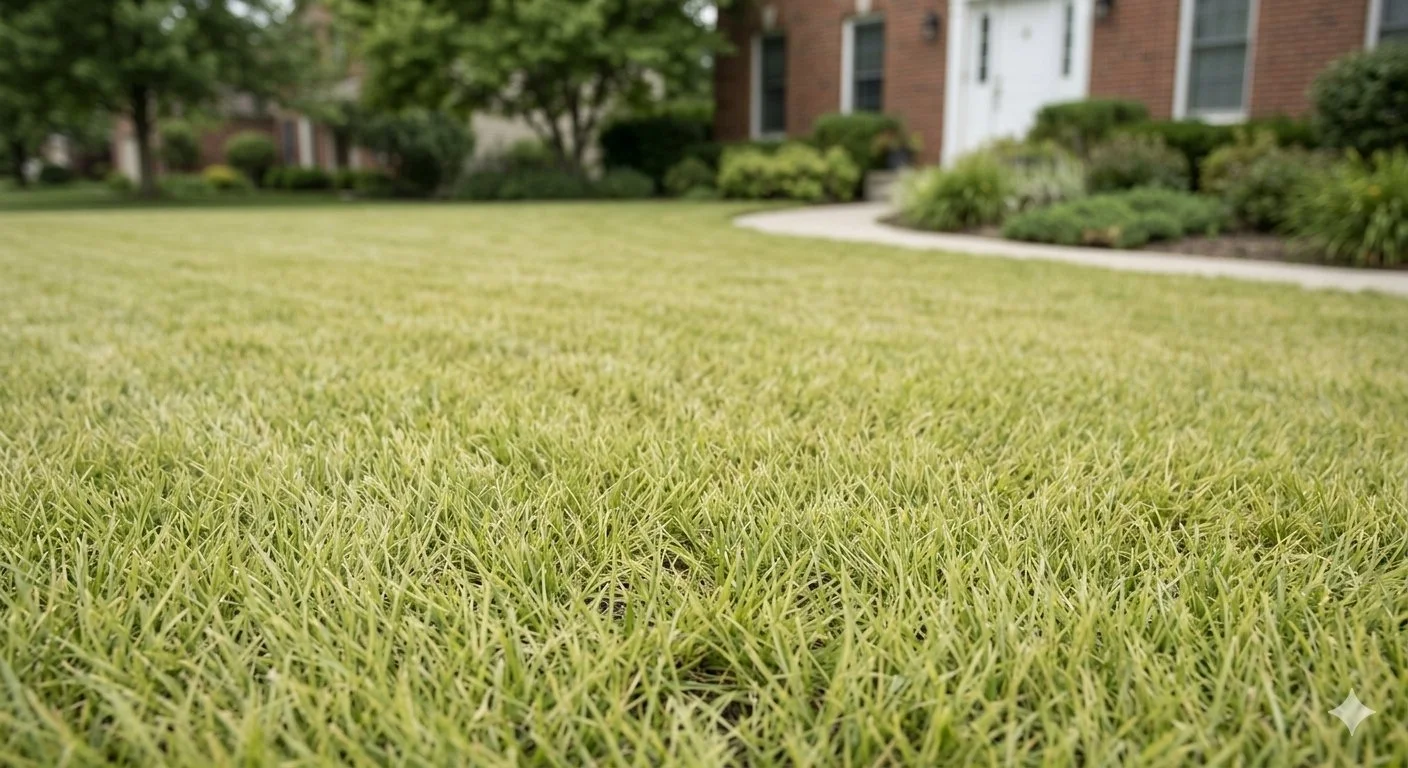
Lawn Fertilizers
Weed-Out Plus Lawn Fertilizer
N-P-K: 25-0-4 — mostly nitrogen (some slow-release) for thick, green grass, plus a little potassium
Best use: Feeds the lawn and kills dandelion, chickweed, knotweed, plantain, henbit, spurge, and other broadleaf weeds
When to use: On dewy grass in the morning while weeds are young and actively growing; up to 2 times a year

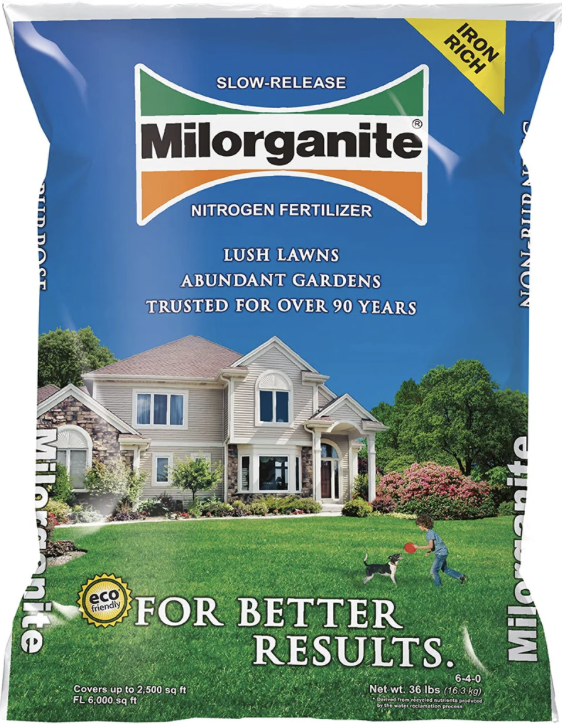
Milorganite Nitrogen Fertilizer
N-P-K: 6-4-0 — gentle slow-release nitrogen, phosphorus, plus 2.5% iron
Best use: Slow-release nitrogen plus iron that won't burn, even in summer heat; feeds for 8–10 weeks on lawns, flowers, and vegetables
When to use: Anytime during the growing season; up to 4 times a year on lawns

Ammonium Sulfate
N-P-K: 21-0-0 — straight nitrogen, plus 22% sulfur
Best use: Fast nitrogen for dark-green color and rapid growth on lawns, trees, shrubs, flowers, vegetables, and blueberries; helps acidify soil
When to use: Through the growing season; on lawns, every 8 weeks as needed, on dry grass
Fertilizers for Utah Soil
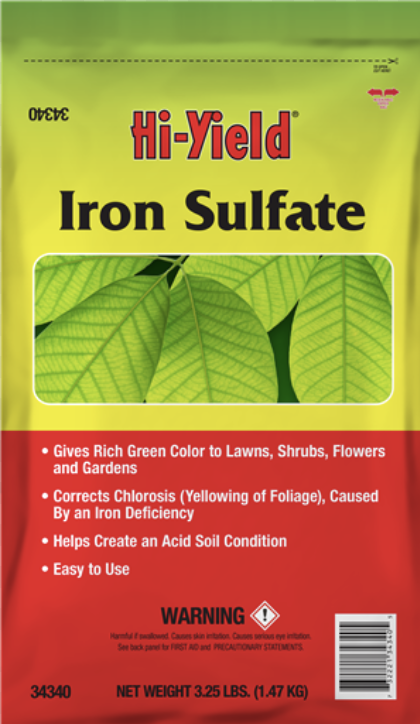
Iron Sulfate
N-P-K: No N-P-K — 19% iron and 11% sulfur
Best use: Adds iron and acidifies the soil to green up lawns, shrubs, trees, and gardens; mixed with soil sulfur in the root zone, USU says it can last 2–4 years
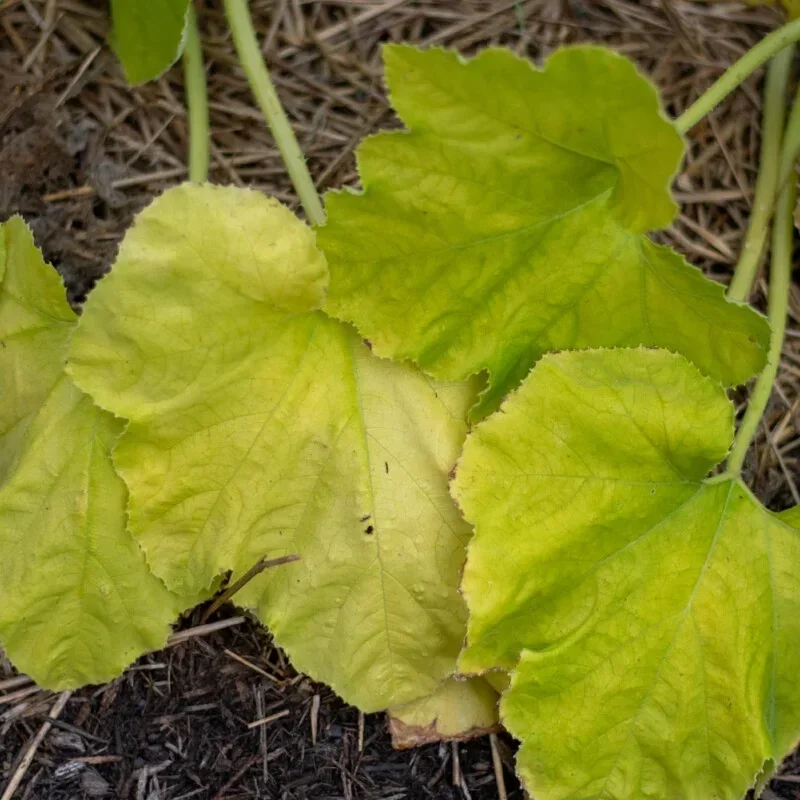
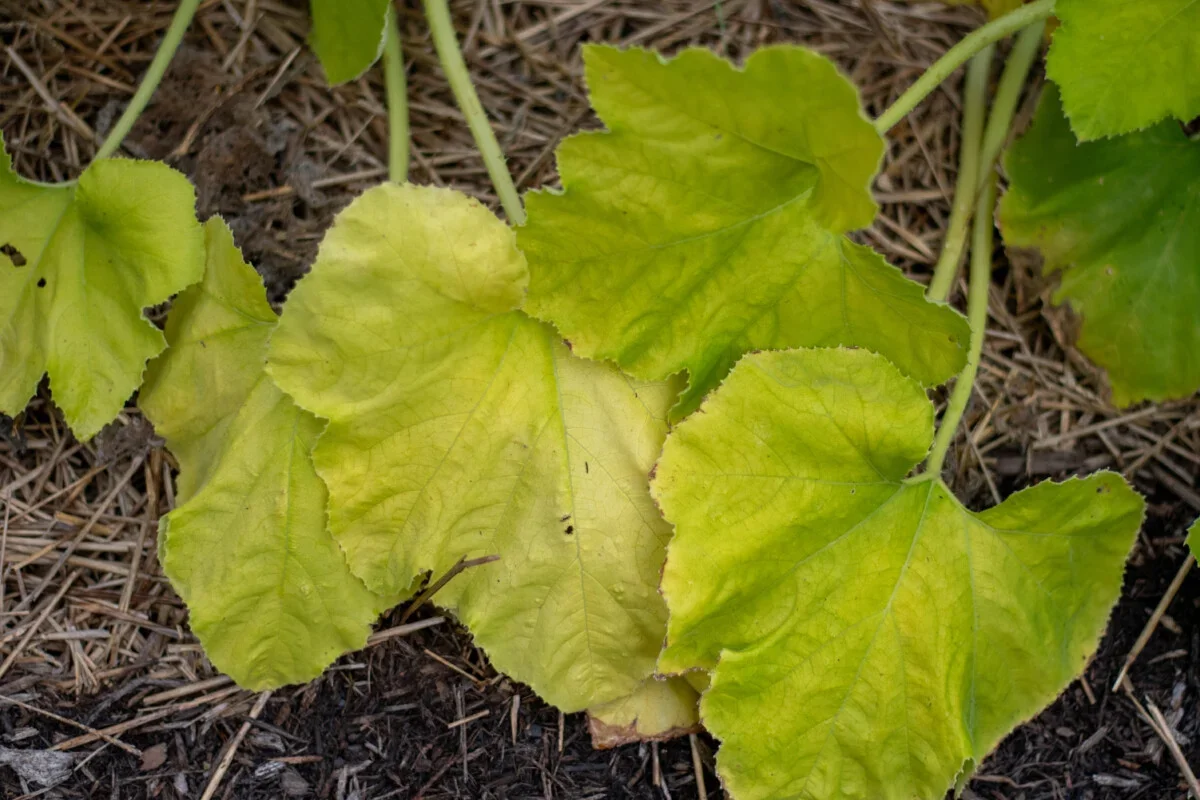
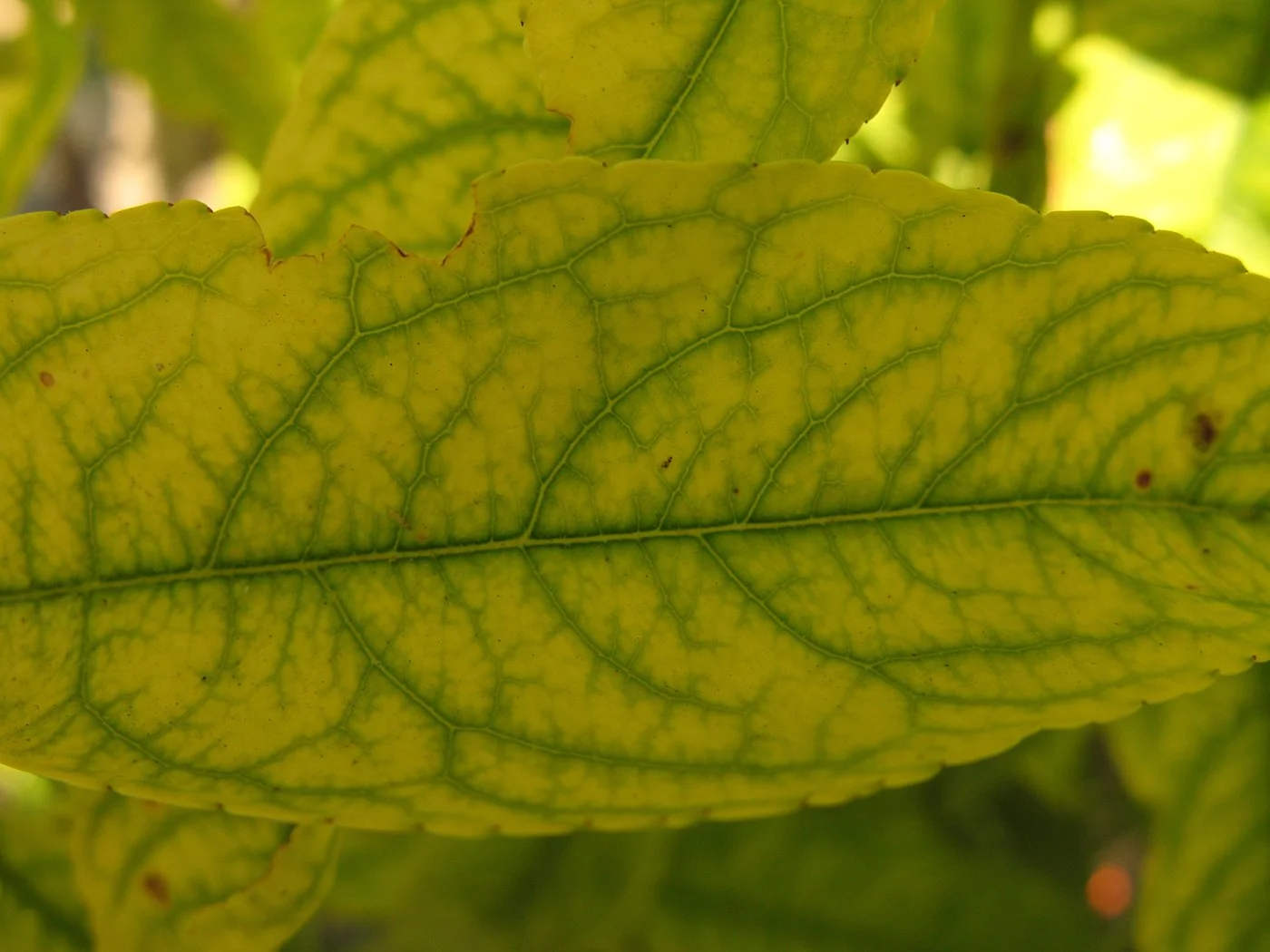
Signs you need it: Yellow leaves with green veins (iron chlorosis)
Chelated Liquid Iron
N-P-K: No N-P-K — 3.25% chelated iron (EDTA) plus copper, manganese, and zinc
Best use: A leaf spray or soil drench for yellowing potted plants, shrubs, lawns, trees, flowers, and vegetables; use alongside your regular fertilizer, not instead of it
Signs you need it: Yellow leaves with green veins that need a fast fix

Miller Ferriplus
N-P-K: No N-P-K — 6% chelated iron (EDDHA)
Best use: EDDHA iron, the only chelate type USU says stays available to plants in soil above pH 7.2; the long-lasting soil fix for chlorotic trees and shrubs
Signs you need it: Yellow leaves with green veins that keep coming back in alkaline soil

Iron Plus Soil Acidifier
N-P-K: 11-0-0 — nitrogen, plus 16% iron and 13% sulfur
Best use: Turns yellow lawns, flowers, trees, shrubs, and roses green while lowering pH in alkaline soil; rates go up with soil pH
Signs you need it: Yellowing lawns, trees, or shrubs in alkaline soil

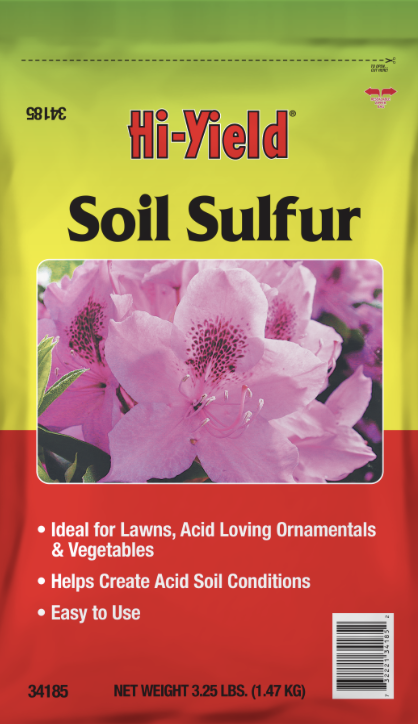
Soil Sulfur
N-P-K: No N-P-K — 90% elemental sulfur
Best use: Lowers soil pH for lawns, acid-loving ornamentals, and vegetables; slow-acting but long-lasting, taking 6–8 weeks to work
Signs you need it: A soil test showing high pH where you want to grow acid-loving plants
Aluminum Sulfate
N-P-K: No N-P-K — 16% sulfur, from aluminum sulfate
Best use: Lowers soil pH for azaleas, camellias, rhododendrons, gardenias, and holly; keeps hydrangeas blue or turns white and pink ones blue
Signs you need it: Acid-loving shrubs yellowing

Fast-Acting Gypsum
N-P-K: No N-P-K — 19% calcium and 15% sulfur
Best use: Loosens compacted clay so air and water reach the roots; repairs winter salt damage and pet spots
When to use: Any time of year; spring and fall are best

Acid-Loving Plant Food
N-P-K: 31-11-11 — high nitrogen for deep green leaves
Best use: Water-soluble feed for azaleas, hydrangeas, blueberries, camellias, hollies, citrus, ferns, and other acid lovers; every 10–14 days outdoors
Signs you need it: Acid-loving plants with pale leaves and few blooms

Vegetable Garden Fertilizers
Tomato & Vegetable Food
N-P-K: 7-22-8 — high phosphorus for flowers, fruit, and roots
Best use: For tomatoes, peppers, potatoes, onions, beans, peas, corn, and okra; mix in at planting for bigger harvests
When to use: At planting, then once a month around tomatoes and peppers

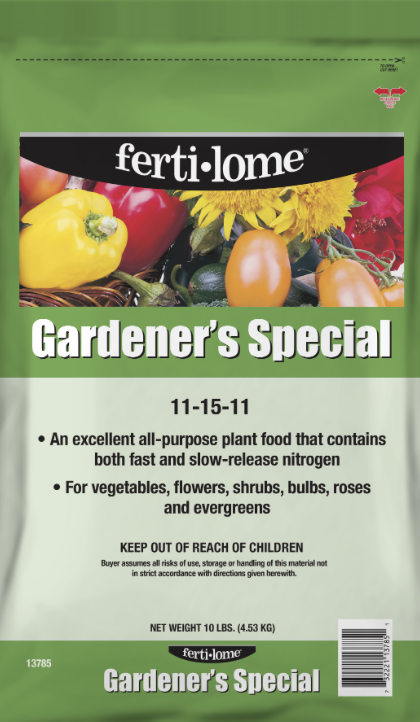
Gardener's Special
N-P-K: 11-15-11 — balanced, with a little extra phosphorus; part slow-release nitrogen
Best use: All-purpose feed with fast- and slow-release nitrogen for vegetables, flowers, shrubs, bulbs, roses, and evergreens
When to use: Mix in before planting, then side-dress through the season
Garden Cote
N-P-K: 12-12-12 — evenly balanced, plus micronutrients
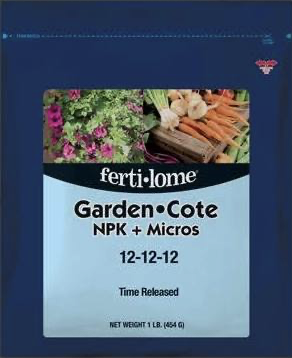
Best use: Time-released feed for annuals, perennials, vegetables, melons, and berries; work it into the top 1–3 inches of soil
When to use: At planting; reapply every 6 months
Tomato & Pepper Set
N-P-K: No N-P-K — a natural plant hormone (cytokinin) spray, not a fertilizer
Best use: Spray on blossoms to help tomatoes, peppers, beans, cucumbers, eggplant, melons, and strawberries set more fruit
Signs you need it: Blossoms dropping off without setting fruit; repeat as new flowers open, every 1–2 weeks

Yield Booster
N-P-K: No N-P-K — 10% calcium
Best use: Calcium spray for tomato leaves and developing fruit, applied in the cool early morning
Signs you need it: Dark, sunken spots on the bottom of tomatoes (blossom-end rot); spray once a week for 3–4 applications

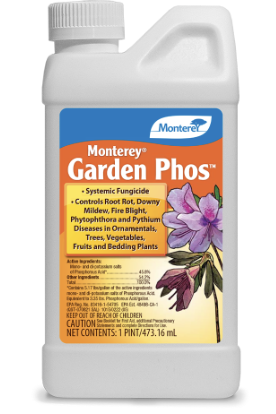
Garden Phos
N-P-K: No N-P-K — a phosphite fungicide, not a fertilizer
Best use: Systemic fungicide that controls root rot, downy mildew, fire blight, and black spot on roses, fruit, vegetables, and ornamentals
Signs you need it: Wilting from rotting roots or crowns, or mildew on leaves
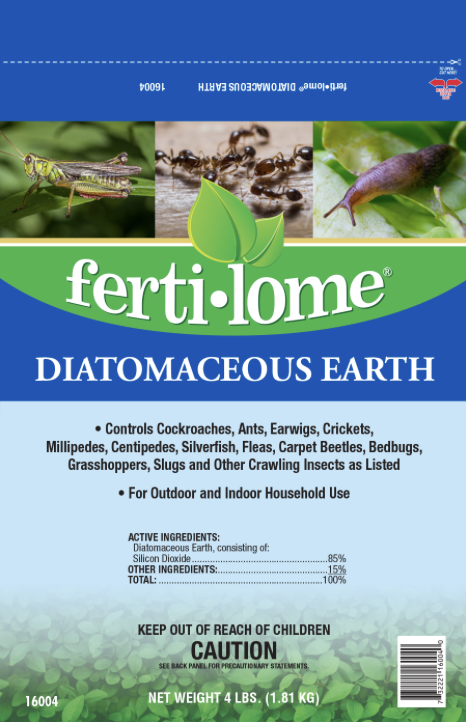
Diatomaceous Earth
N-P-K: No N-P-K — insect control, not a fertilizer
Best use: Natural dust that kills crawling pests like earwigs, slugs, ants, and grasshoppers; dust lightly where they're found, no more than once a week outdoors
Signs you need it: Slugs, earwigs, or ants in the garden or around the foundation
Flowers, Roses & Bulb Fertilizers
Rose & Flower Plant Food
N-P-K: 14-12-11 — balanced feeding, plus a systemic insecticide
Best use: Feeds roses, flowers, and shrubs and protects them from aphids, whiteflies, and other insects for up to 8 weeks
When to use: Every 8 weeks during the growing season

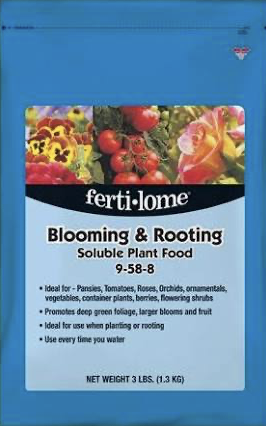
Blooming & Rooting Food
N-P-K: 9-58-8 — very high phosphorus for blooms and roots
Best use: Water-soluble feed for larger blooms and fruit and stronger roots on pansies, roses, orchids, tomatoes, berries, and flowering shrubs; also a planting solution
Signs you need it: Leafy plants that are slow to bloom
Premium Bedding Plant Food
N-P-K: 7-22-8 — high phosphorus for flowering; part slow-release nitrogen
Best use: Feed for pansies, bedding plants, perennials, bulbs, and flowering shrubs; work it into beds at planting
When to use: At planting, then every 30 days through the growing season

Dutch Bulb Food
N-P-K: 7-8-5 — balanced, mild feed for bulbs
Best use: Mix into the planting hole for tulips, daffodils, lilies, dahlias, irises, and other bulbs; spread over established bulb beds
When to use: At planting and over established beds

All Purpose Plant Food
N-P-K: 20-20-20 — evenly balanced
Best use: Water-soluble feed for annuals, perennials, hanging baskets, succulents, and houseplants; in pots, use with each watering until color improves, then every other watering
When to use: Every 10–14 days on outdoor plants

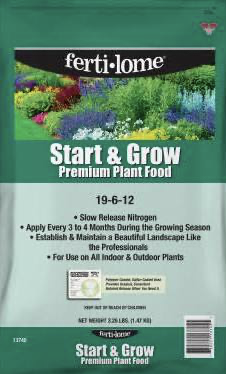
Start & Grow Plant Food
N-P-K: 19-6-12 — nitrogen-forward, mostly slow-release
Best use: Slow-release feed for containers, flower beds, perennials, roses, trees, and shrubs, indoors or out
When to use: At planting, then every 3–4 months during the growing season
Tilly Boost
N-P-K: 16-9-25 — high potassium; no boron, copper, or zinc
Best use: Air plant and bromeliad food made without boron, copper, and zinc, which harm tillandsias; mist or soak at ½ tsp per gallon
When to use: With regular waterings

Tree & Shrub Fertilizers
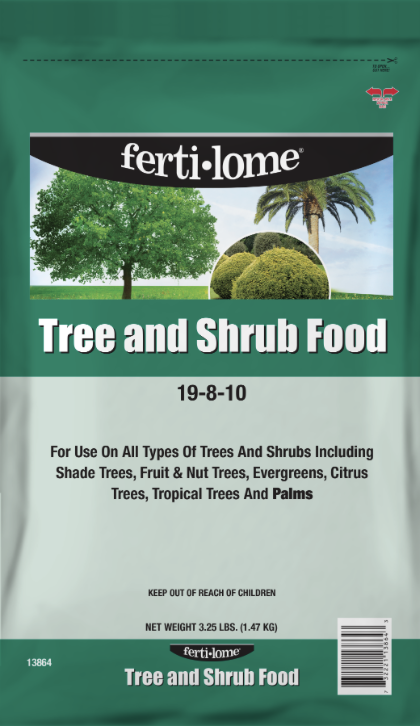
Tree & Shrub Plant Food
N-P-K: 19-8-10 — nitrogen-forward for leafy growth
Best use: Feeds shade, fruit, nut, and evergreen trees and shrubs; spread under the branches (not against the trunk) and water in
When to use: Twice a year, in early spring and early summer
Fruit, Citrus & Pecan Tree Food
N-P-K: 19-10-5 — nitrogen-forward, plus 3% zinc
Best use: Feeds apples, pears, apricots, peaches, cherries, plums, and nut trees; the zinc helps control rosette in pecan trees
When to use: Early spring for fruit trees; nut trees in early spring and again after harvest

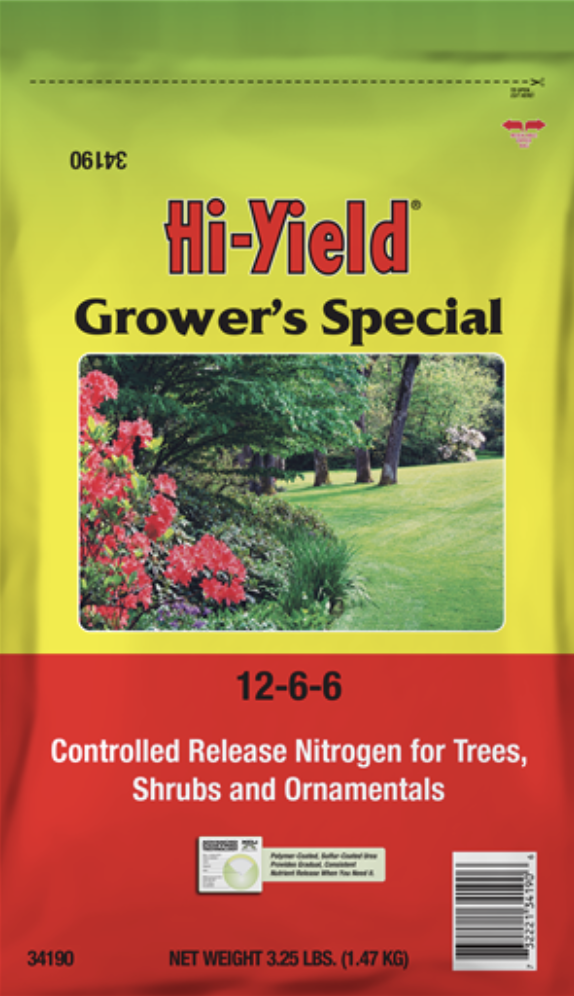
Grower's Special
N-P-K: 12-6-6 — nitrogen-forward, part controlled-release
Best use: Controlled-release feed for trees, shrubs, ornamentals, and container plants
When to use: Containers every 6 weeks; shrubs in early spring and fall; trees in early spring and late fall
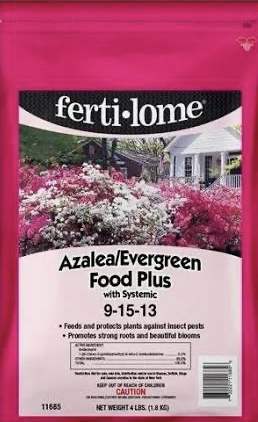
Azalea/Evergreen Plant Food
N-P-K: 9-15-13 — extra phosphorus and potassium, plus a systemic insecticide
Best use: Feeds azaleas, evergreens, and shrubs and protects them from aphids, lace bugs, whiteflies, and other insects for up to 8 weeks
When to use: Every 8 weeks during the growing season
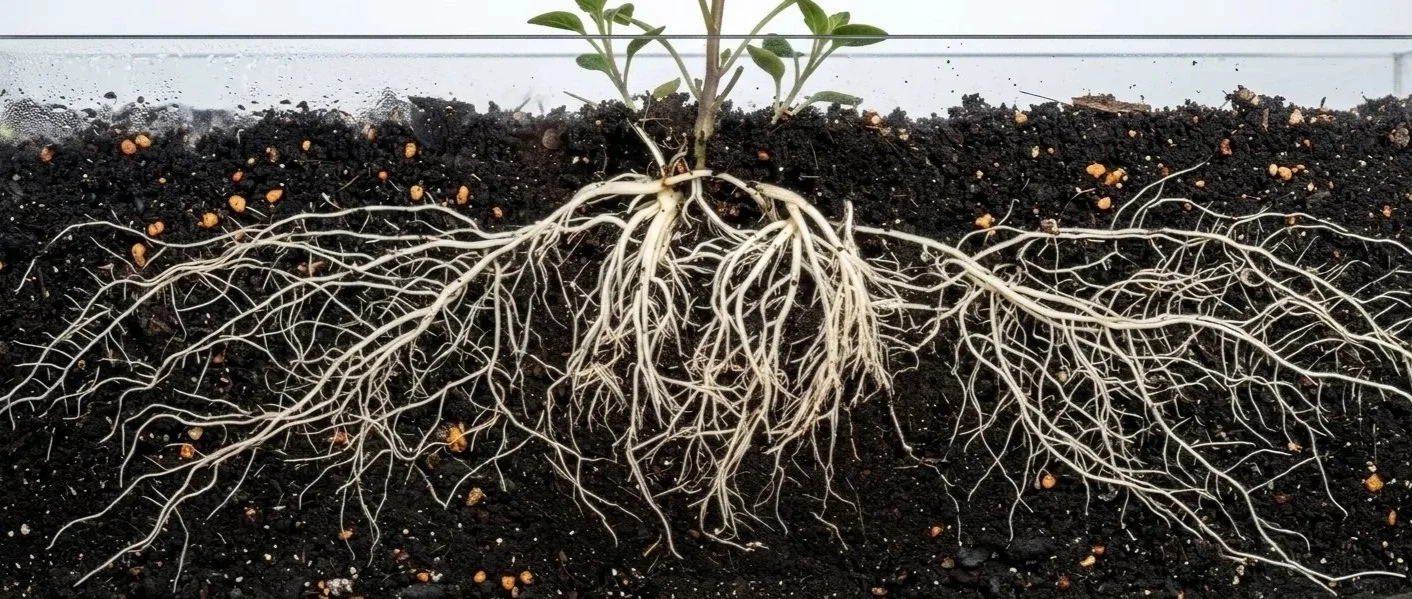
Root Starters
Root Stimulator
N-P-K: 4-10-3 — extra phosphorus for new roots, plus a small amount of rooting hormone (IBA)
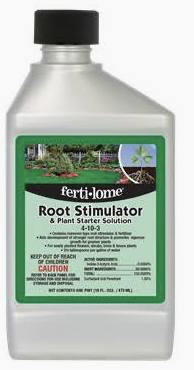
Best use: A starter solution for newly planted flowers, shrubs, trees, and houseplants; pour it over the soil as the roots are covered
When to use: At planting or transplanting
Rooting Powder
N-P-K: No N-P-K — 0.1% IBA rooting hormone
Best use: Dip cuttings of geraniums, mums, azaleas, dieffenbachia, philodendron, pothos, and other ornamentals to help them root
When to use: When taking cuttings

Dip'n Grow Liquid Rooting Concentrate
N-P-K: No N-P-K — 1% IBA and 0.5% NAA rooting hormones
Best use: Liquid rooting hormone diluted by cutting type: 1:20 for softwood and succulents, 1:10 for medium hardwood, 1:5 for hardwood
When to use: When taking cuttings; use the diluted mix within 10 hours

Myke Tree & Shrub
N-P-K: No N-P-K — beneficial mycorrhizal fungi
Best use: Spread in the planting hole all around the root ball so new roots touch it; helps new trees, shrubs, and hedges take up water and nutrients
When to use: At planting

Soil Builders & Single Nutrients
Alfalfa Meal
N-P-K: 2-0-1 — mild, all-natural nitrogen
Best use: Gentle, all-natural feed mixed into soil for roses, vegetables, herbs, and flowers; ½–1 cup per rose
When to use: Early spring, again at bloom, and in fall at half strength

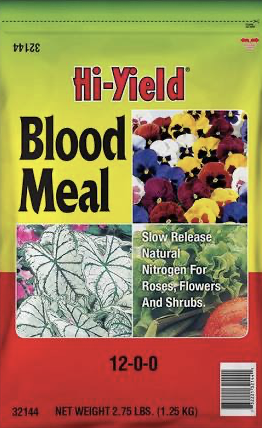
Blood Meal
N-P-K: 12-0-0 — natural, slow-release nitrogen only
Best use: Natural nitrogen for deep green, leafy growth on roses, flowers, trees, and shrubs
Signs you need it: Plants that need deeper green color and more leafy growth
Bone Meal
N-P-K: 2-0-1 — mild, all-natural nitrogen

Best use: Steamed bone meal adds phosphorus for bulbs, roses, flowers, shrubs, and vegetables
When to use: Early spring after the last frost, and again in early fall
Bone & Blood Meal
N-P-K: 6-7-0 — natural nitrogen and phosphorus
Best use: Slow-release natural nitrogen and phosphorus for flowers, bulbs, shrubs, and vegetables; one bag treats up to 75 sq ft
When to use: Mixed into soil at planting

Cottonseed Meal
N-P-K: 6-1-1 — slow, natural nitrogen
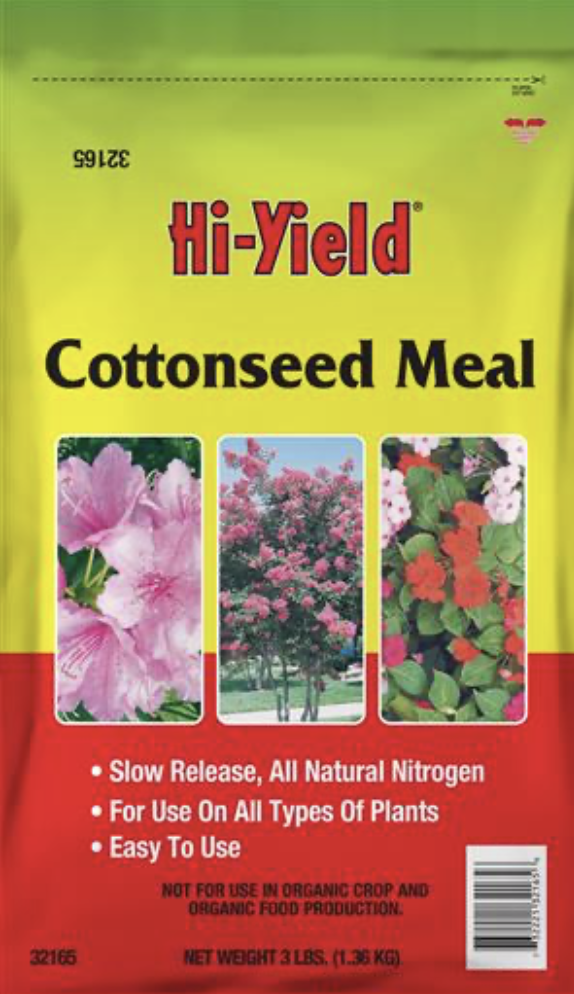
Best use: Natural nitrogen for all types of plants that gently acidifies soil and feeds beneficial soil bacteria
When to use: In early spring after the last frost and again in early fall
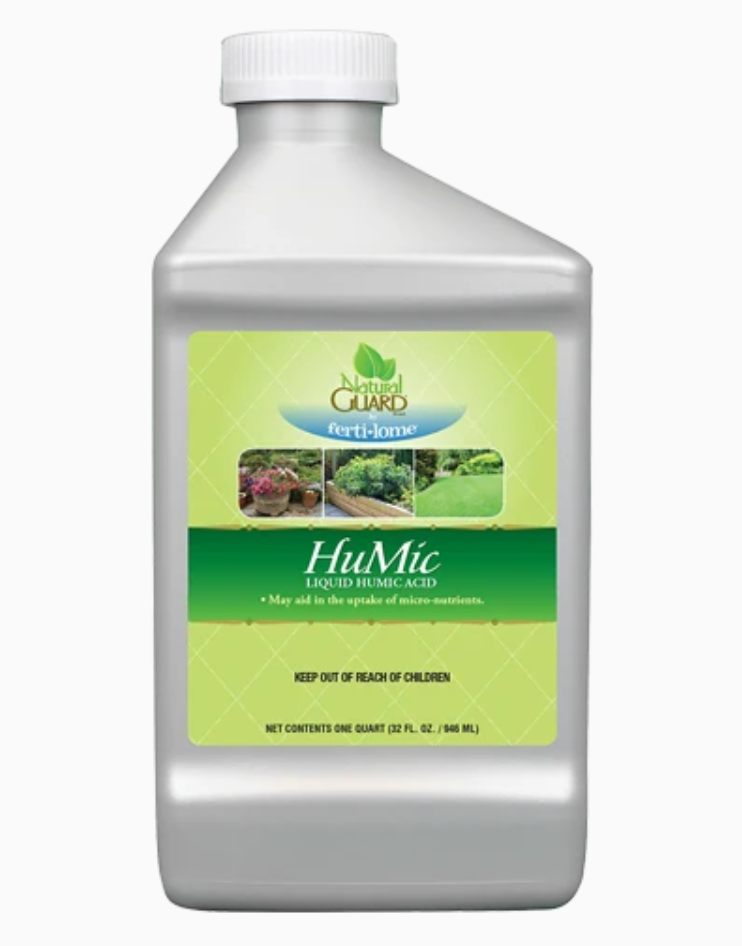
HuMic Liquid Acid
N-P-K: No N-P-K — 12% humic acid from leonardite
Best use: Liquid humic acid for gardens, lawns, beds, and houseplants that may help plants take up micronutrients; use alongside fertilizer, not instead of it
When to use: Every 4 weeks in spring with a hose-end sprayer; every 2–4 weeks for houseplants
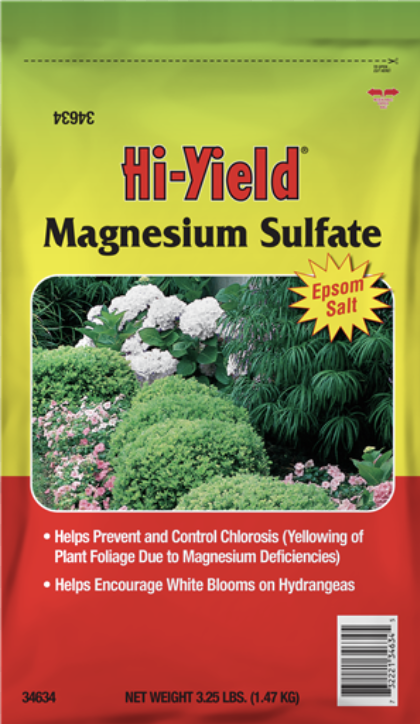
Magnesium Sulfate
N-P-K: No N-P-K — 9.5% magnesium and 12.5% sulfur (Epsom salt)
Best use: Corrects yellowing from magnesium deficiency and helps encourage white blooms on hydrangeas
Signs you need it: Yellowing between the veins of older, lower leaves; apply once a month as needed
Muriate of Potash
N-P-K: 0-0-60 — potassium only
Best use: Concentrated potassium for strong, sturdy stalks and colorful blooms; heavy users include dahlias, gladiolas, potatoes, carrots, and onions
When to use: Where a soil test shows potassium is low

Super Phosphate
N-P-K: 0-18-0 — phosphorus only
Best use: Strengthens stems and increases blooms on iris, crape myrtle, lilacs, peonies, mums, and dahlias
When to use: January–February for iris, crape myrtle, lilacs, and peonies
Triple Super Phosphate
N-P-K: 0-45-0 — concentrated phosphorus only
Best use: About 2½ times the phosphorus of Super Phosphate for roots, flowers, fruit, and vegetable yields
When to use: Shrubs and flowers in early spring and summer; trees in early spring or fall after leaves drop; vegetables before planting